
Phuket Town — Phuket Area

Photo



FAQ — Phuket Town


Buying in Phuket Town as a Foreign National
A focused legal, tax, visa and lifestyle briefing for foreign buyers considering property in Phuket Town. Information is general guidance — InDreams Phuket recommends consulting a Thai-licensed lawyer before signing any reservation agreement.
Property Ownership Rules
Foreigners can hold a condominium unit as 100% freehold in their own name, provided the project remains within the 49% foreign ownership quota under the Thailand Condominium Act B.E. 2522. Ownership is registered at the Land Office and the title (Chanote) is issued directly to the buyer.
- Funds for the purchase must be remitted from abroad in foreign currency.
- A Foreign Exchange Transaction (FET) form is required from the receiving Thai bank.
- Ownership is permanent, inheritable, and freely transferable to another foreigner.
Foreigners cannot directly own land in Thailand. For villas and houses, the standard structure is a registered 30-year leasehold with two contractual 30-year renewal options, plus full freehold ownership of the building (the structure itself).
- Lease is registered at the Land Office and noted on the title deed (Chanote).
- Building / structure can be owned in the foreigner's name via a separate construction permit.
- Alternative routes: Thai limited company ownership, BOI-approved investment, or a Thai-national long-term partner.
Investment Returns
Net rental yields in Phuket's prime west-coast areas typically range from 5% to 8% per annum, depending on building age, management quality, season and asset class. Capital appreciation in established areas has historically averaged 5–7% per year. Individual projects in Phuket Town may offer contractual rental programmes with developer-guaranteed returns — see each property listing for project-specific terms.
Tax & Fees for Foreign Buyers
Total combined closing costs for a foreign buyer typically fall in the 3–5% range of the purchase price, depending on the deal structure and how transfer fees are split. InDreams Phuket can request a written closing-cost estimate from our partner law firm before you commit.
Visa Pathways for Property Owners
The flagship visa for foreign investors and high-income professionals. Four eligibility tracks: Wealthy Global Citizen (USD 1M+ in assets & USD 80K income), Wealthy Pensioner (age 50+, USD 80K pension/year), Work-from-Thailand Professional, and Highly Skilled Professional. Tax incentives include a flat 17% rate for HSP and no taxation on foreign-source income brought in.
The fastest and most popular route for property buyers who do not qualify for LTR. No income, age, or investment requirements beyond the one-time membership fee. Includes airport fast-track, dedicated concierge, and 90-day reporting handled by the program.
Available to foreigners who invest at least 10,000,000 THB in qualifying assets, including condominium units registered as freehold to the applicant. Renewable indefinitely while the investment is maintained.
Long-established option for buyers aged 50 and above. Requires either 800,000 THB on a Thai bank deposit or a monthly income of 65,000 THB. O-X variant grants a 5-year stay for nationals of selected countries.
Lifestyle for Expats in Phuket Town
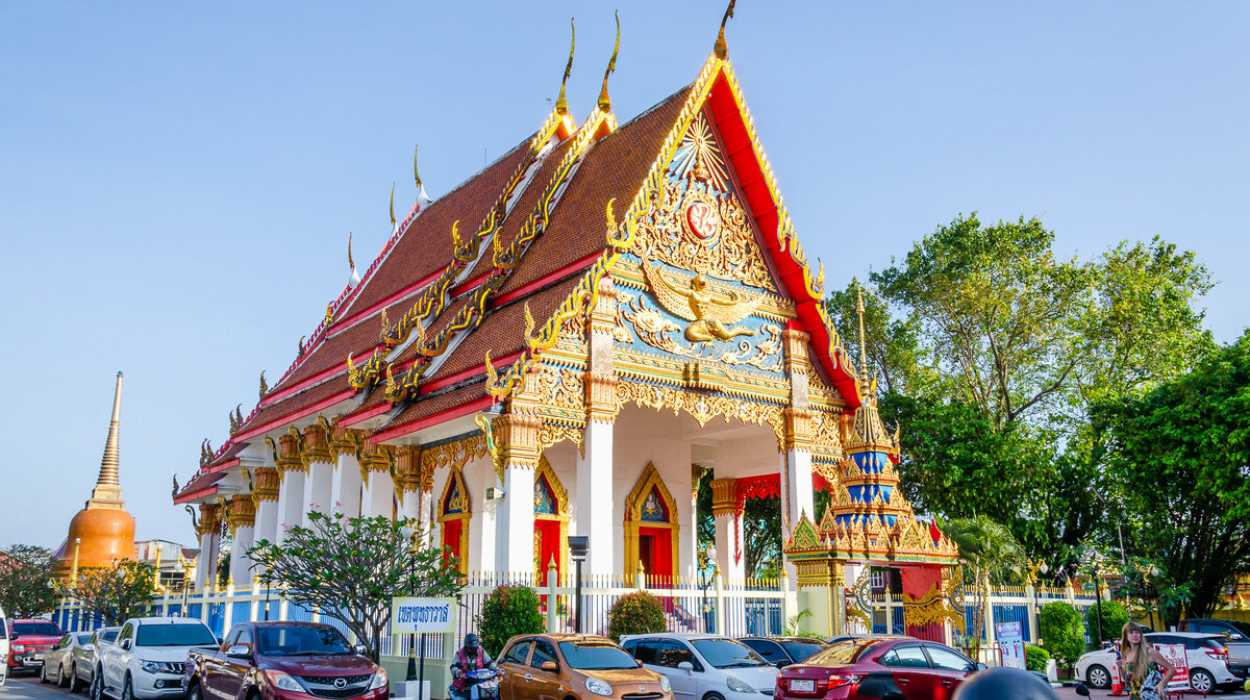
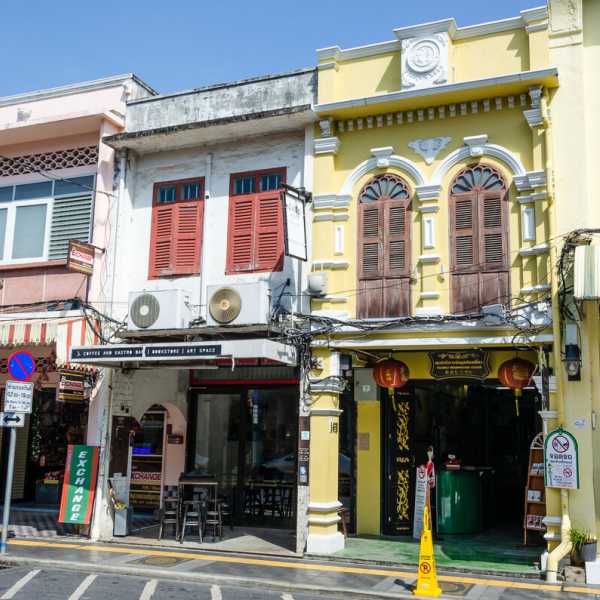
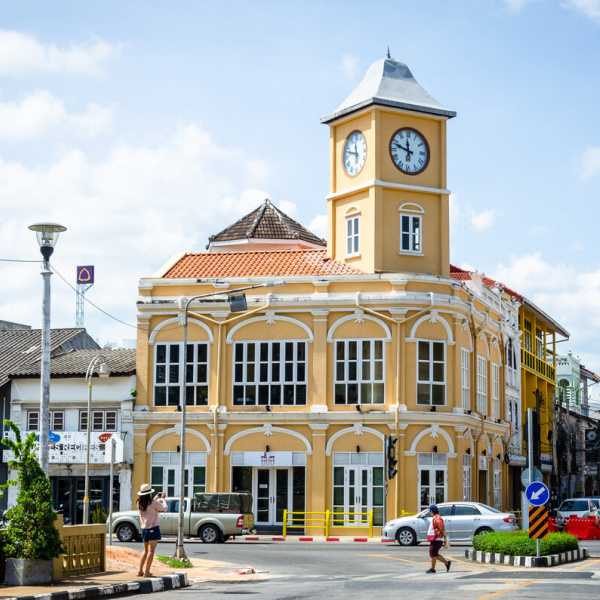
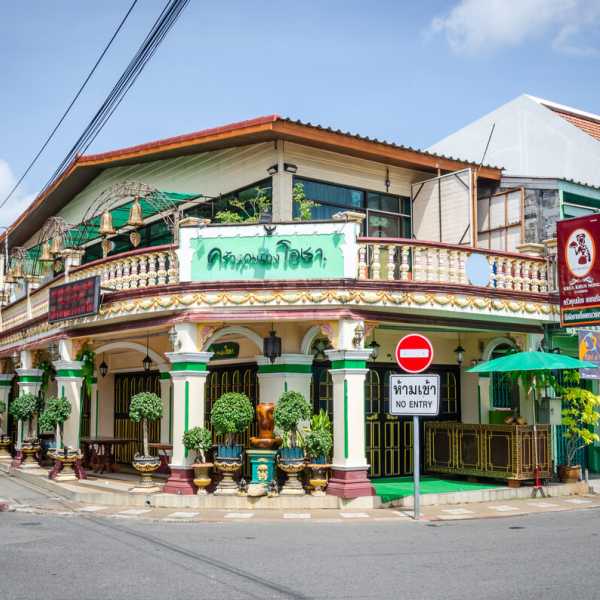
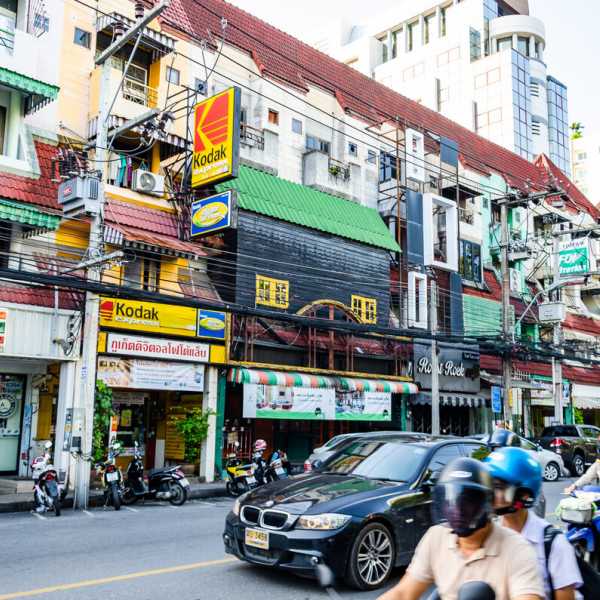
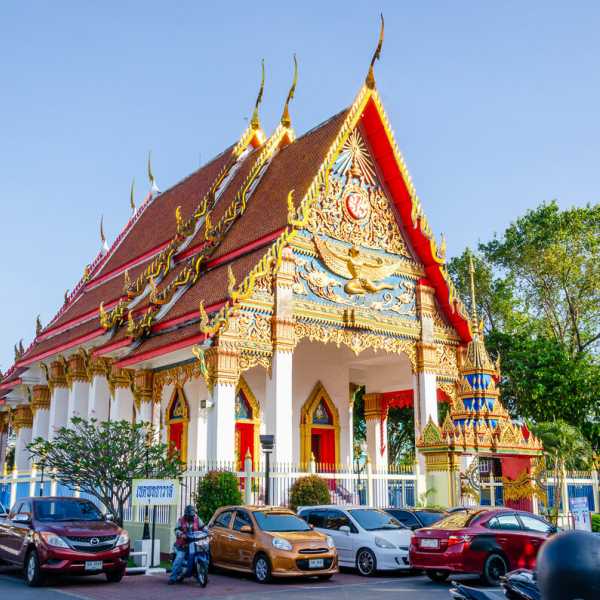
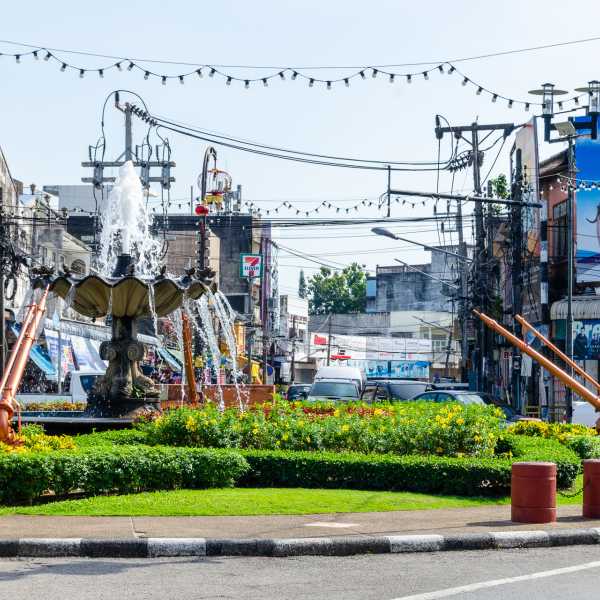
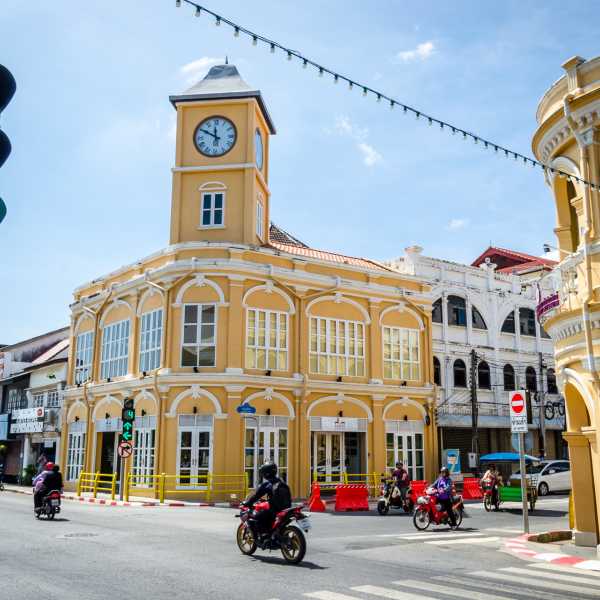
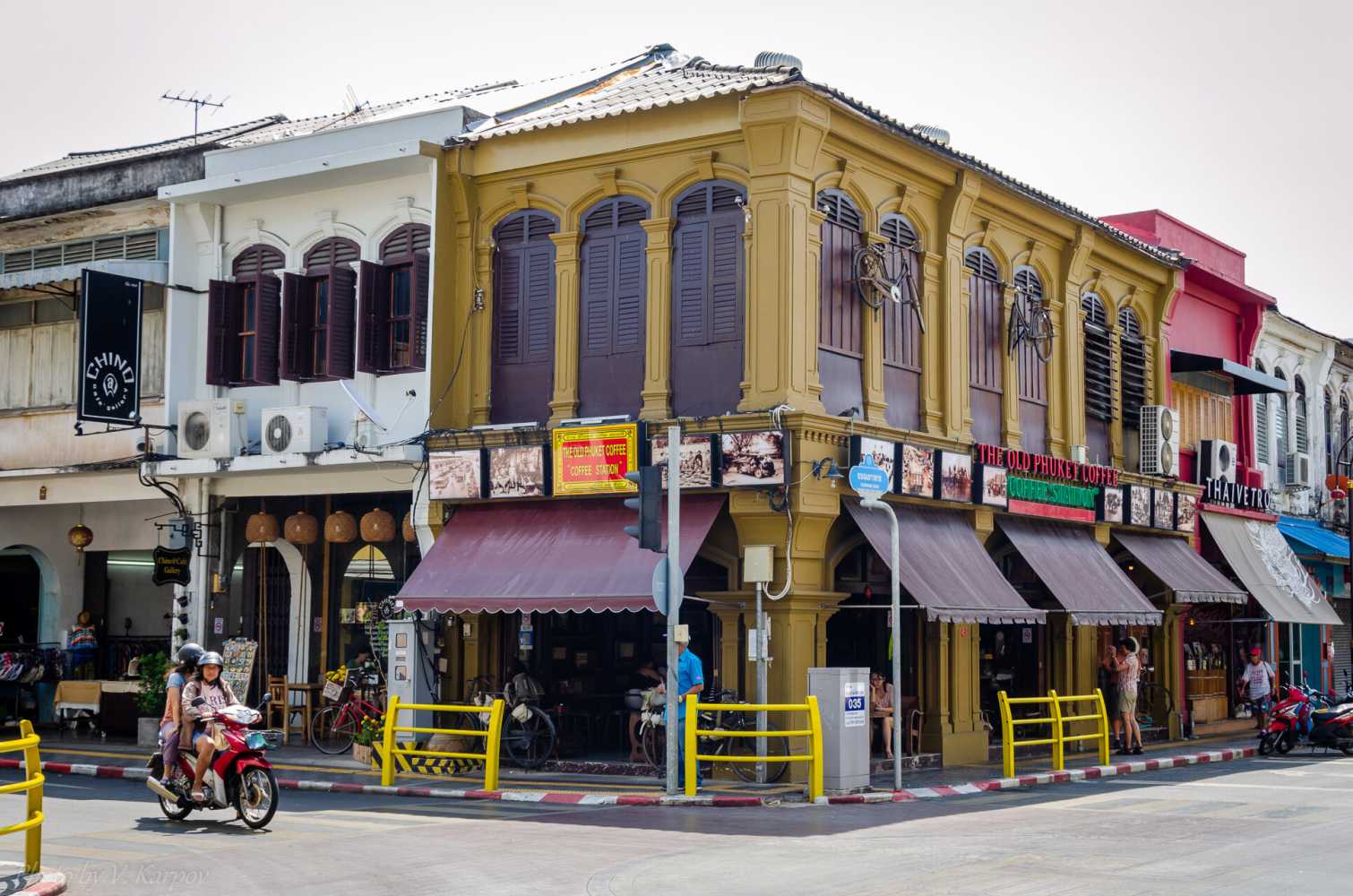
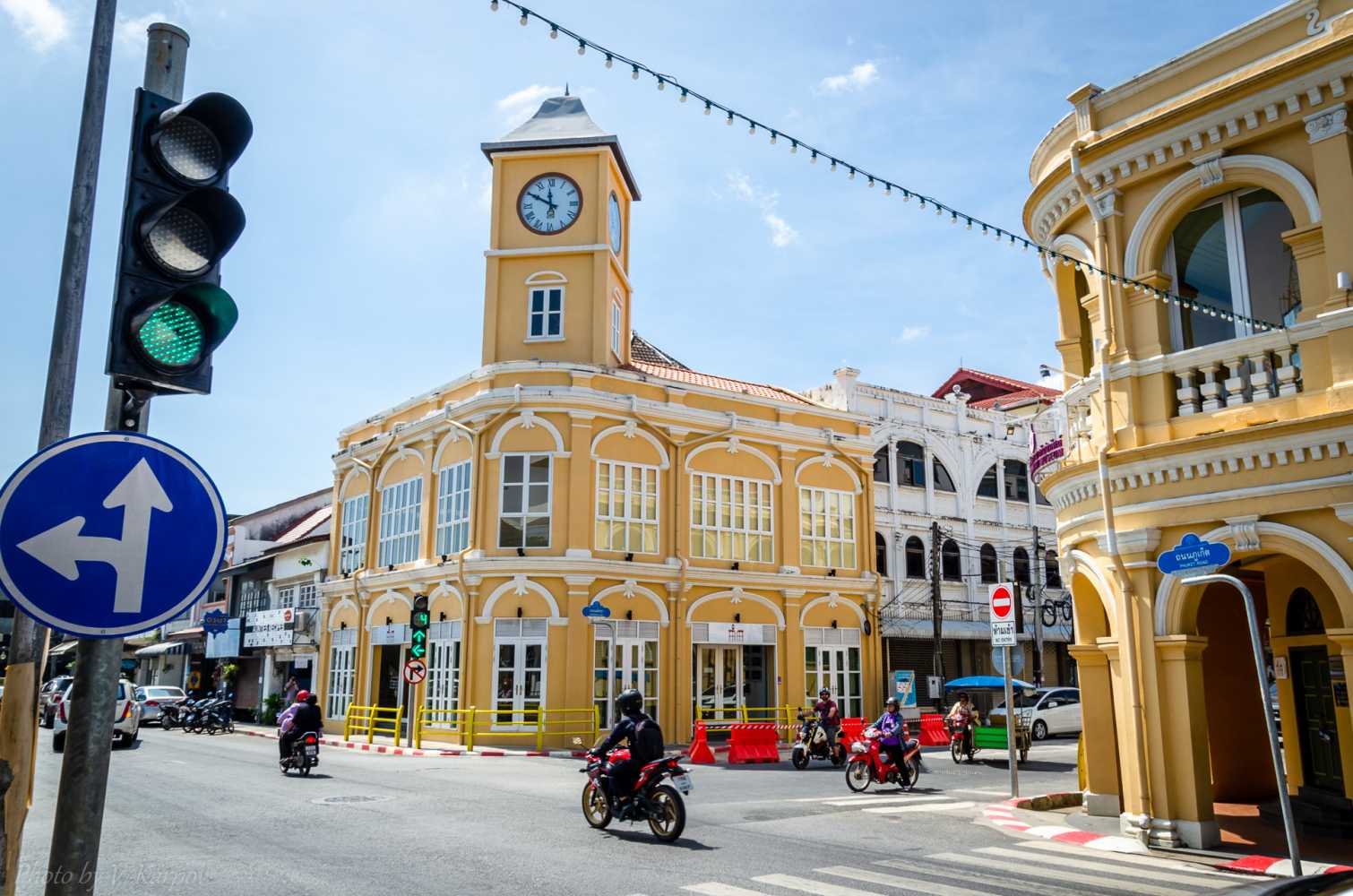
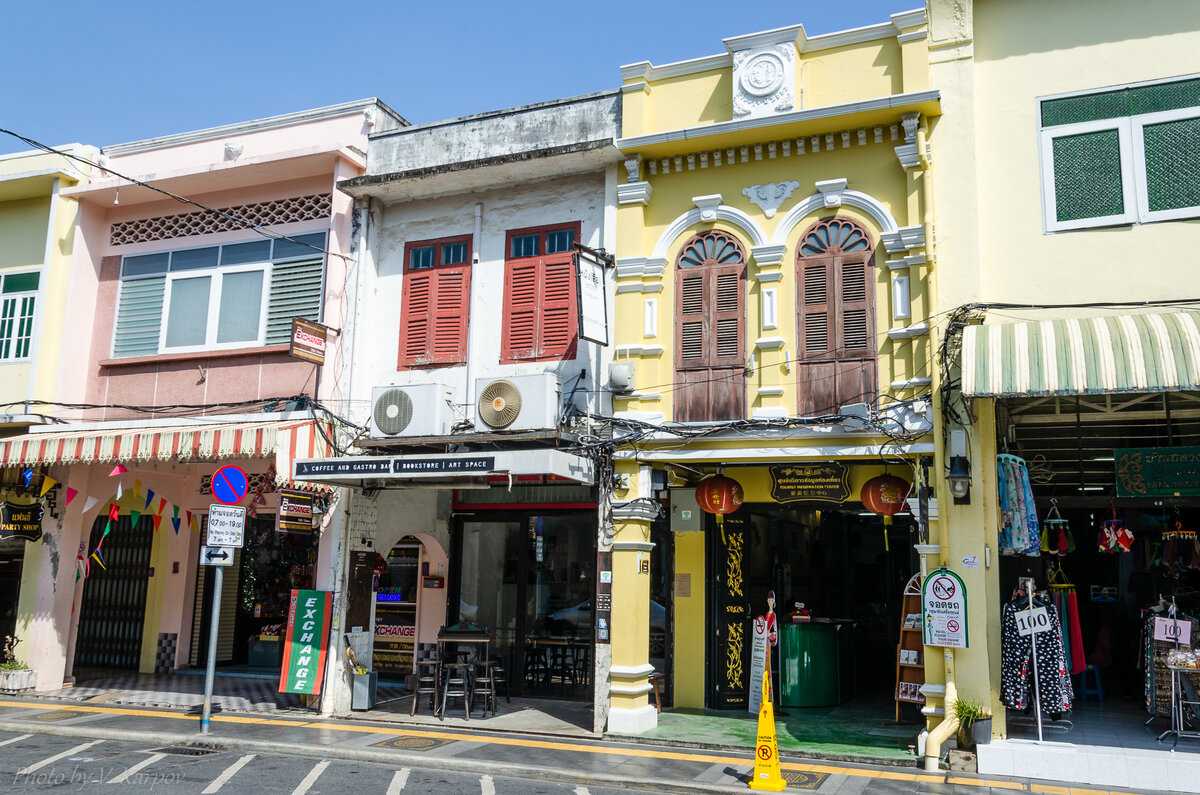
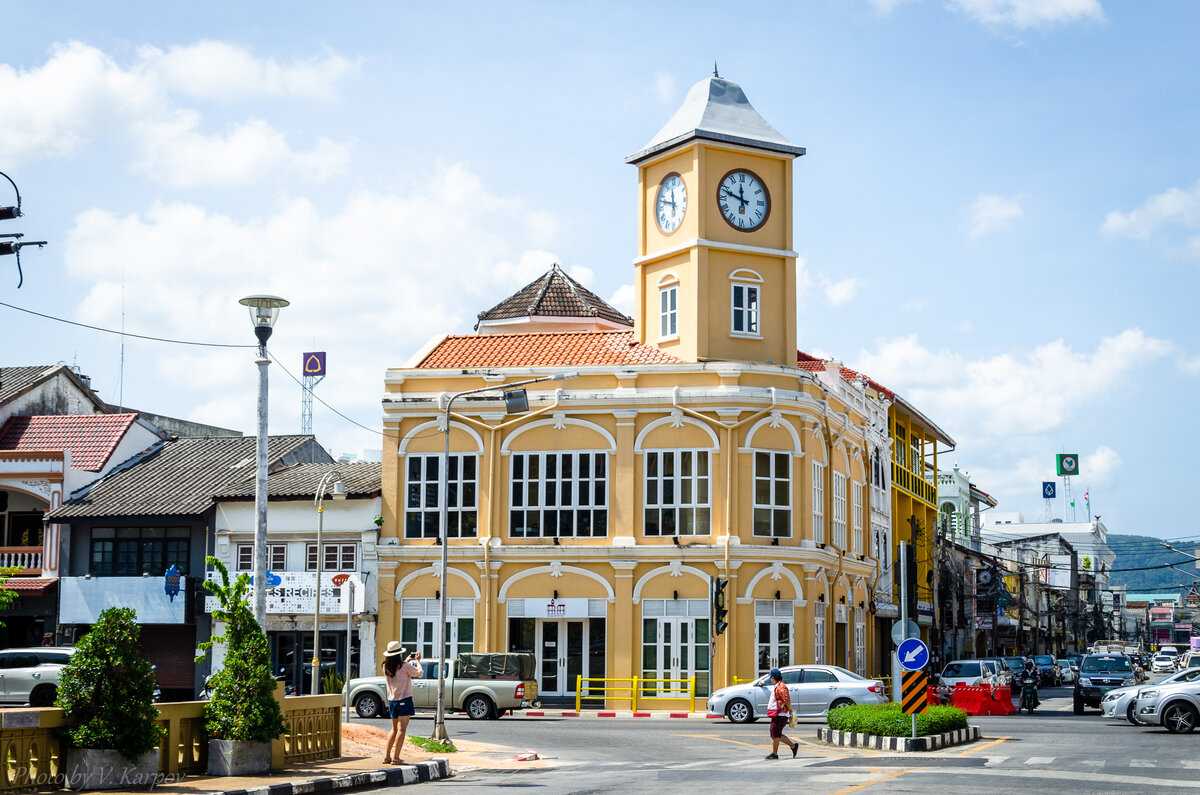
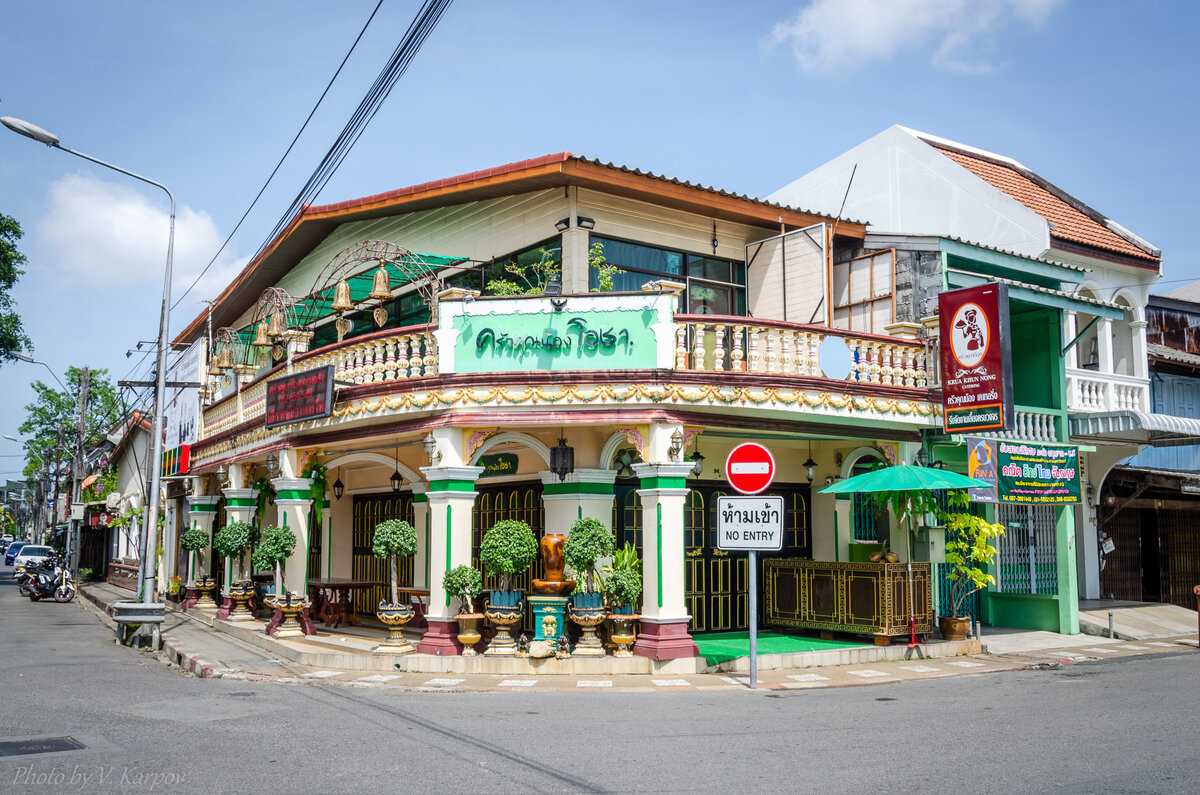
Phuket Town is the actual city of the island, the administrative capital and the only part of Phuket where most residents are Thai and Sino-Thai rather than tourists. For a foreign buyer that changes the whole calculation. You trade beach access for real urban infrastructure: three major hospitals within a four kilometre radius, the immigration office, the courts, the international schools cluster around HeadStart and QSI, two large modern malls, plus the genuine Sino-Portuguese old quarter with its painted shophouses, third-wave coffee scene and Sunday Walking Street. The resident expat population here is smaller than in Rawai or Chalong, but it is a different crowd: long-term residents who came for work or family reasons, mixed Thai-foreign couples, school-age families who prioritised the HeadStart and QSI commute, and a growing group of digital nomads who use the cafes on Thalang Road as offices. Day to day costs are noticeably lower than on the west coast, particularly food and groceries, since the local market and Tops Market price for residents rather than tourists. The beaches at Kata, Karon and Rawai are 15 to 20 minutes by car. The trade-off is heat and humidity in the town centre and traffic on Phang Nga Road during school runs. Phuket Town fits buyers who want city services and value over a beachfront postcard.
- HeadStart International School (Phuket Town campus) 2 km
- QSI International School of Phuket 4 km
- Kajonkiet International School Phuket 5 km
- British Curriculum International School (BCIS) Phuket 8 km
Old Phuket Town Sino-Portuguese quarter (Thalang, Dibuk and Soi Romanee streets) with cafes, galleries and indie restaurants; Sunday Walking Street Market on Thalang Road; Central Phuket Floresta and Festival malls; Limelight Avenue shopping; Lardyai weekend food strip; Robinson Lifestyle department store; Tops Market and Villa Market in town.
Bangkok Hospital Phuket (3 km, JCI-accredited); Bangkok Hospital Siriroj (4 km); Mission Hospital Phuket (2 km); Vachira Phuket Hospital (3 km, public, major trauma centre); Phuket International Hospital (4 km).
Phuket Town itself has no beach, but Kata, Karon and Rawai beach clubs are 15 to 20 minutes away. Local nightlife centres on rooftop bars: Quip Bed and Breakfast rooftop, Doolae rooftop, Bookhemian cafe and wine bar, The Charm Eatery and Bar, Suay Restaurant.