
Rawai — Phuket Area
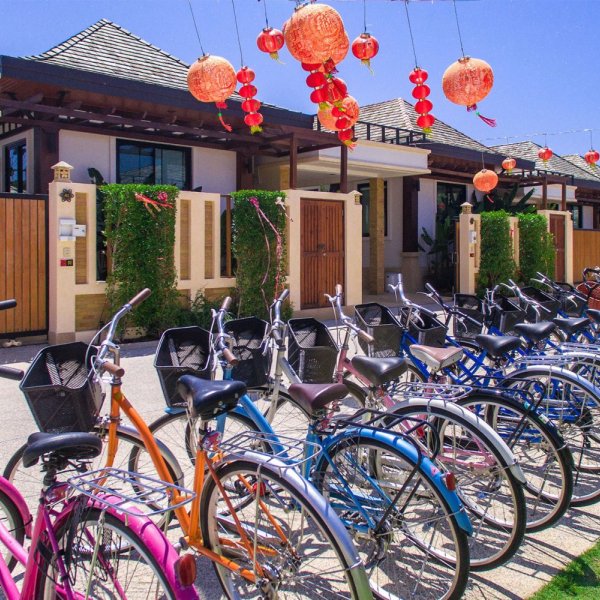
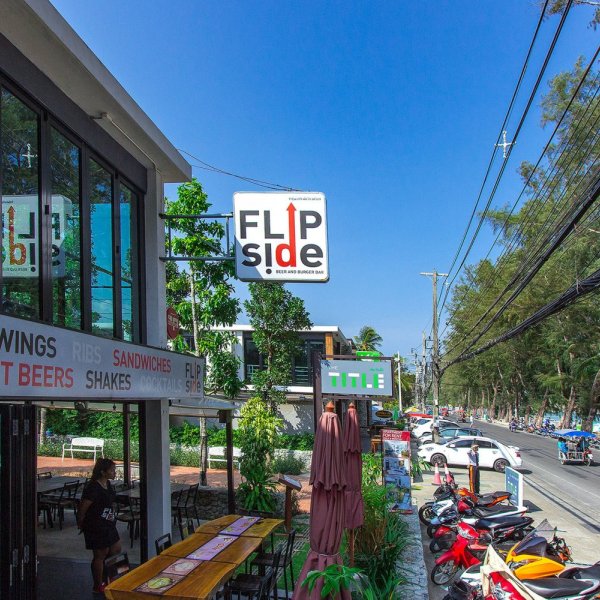
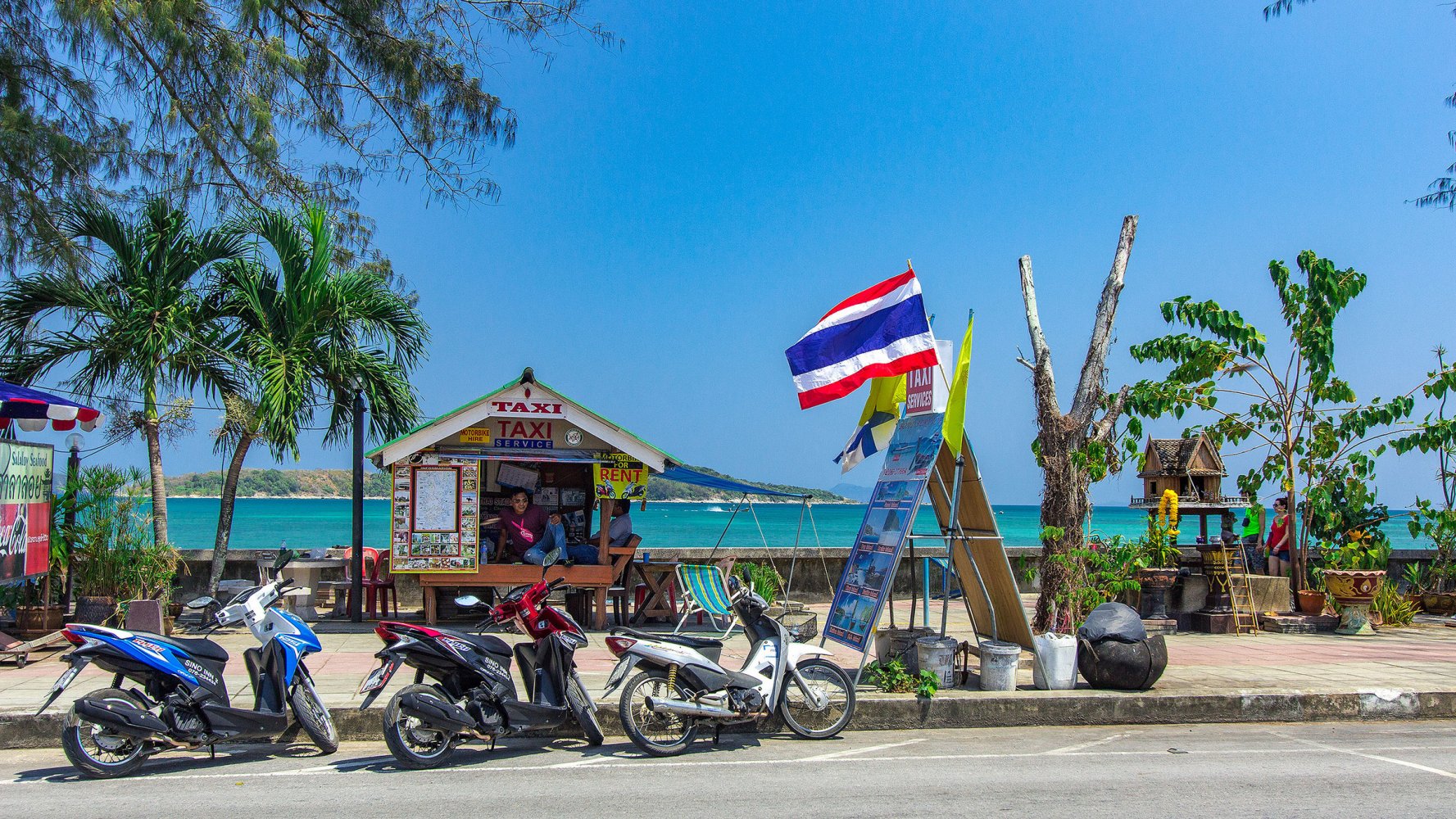
InDreams currently lists 146 properties in Rawai: 54 for sale and 92 for rent, across 38 residential projects. Median asking price: villas 19,400,000 THB (11 listings), apartments 5,760,000 THB (43 listings). Median apartment price per square metre: 128,000 THB.
Based on current InDreams listings. Updated
Infrastructure
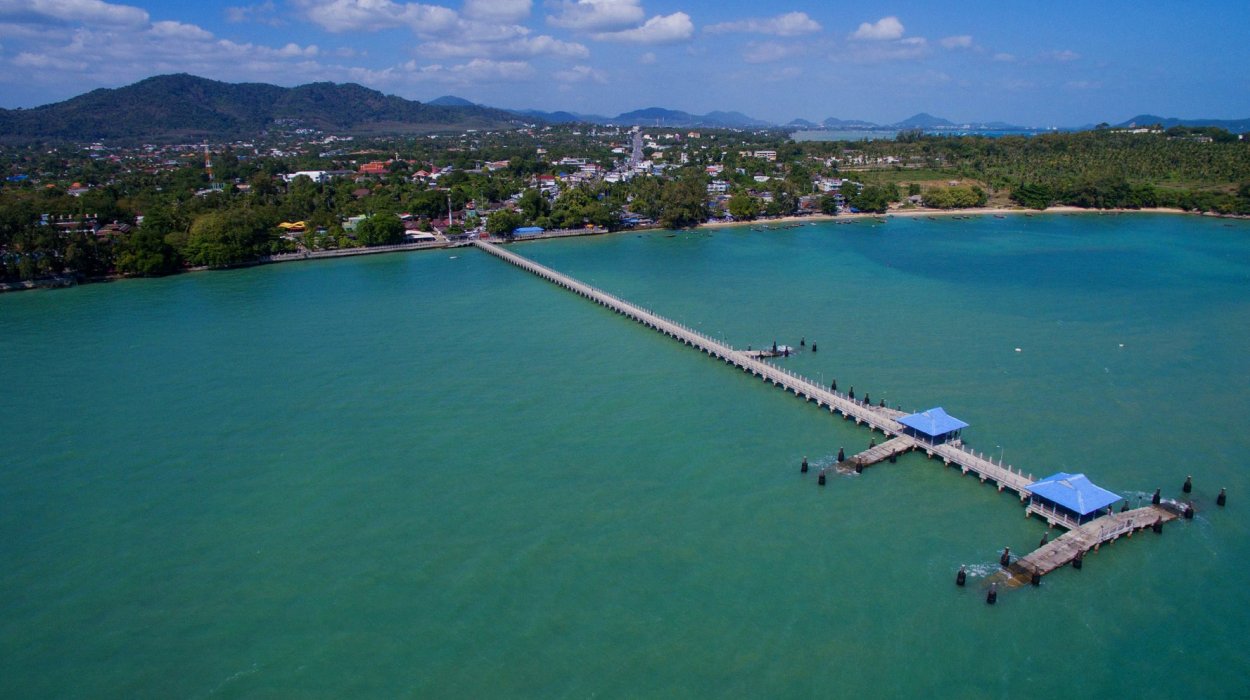
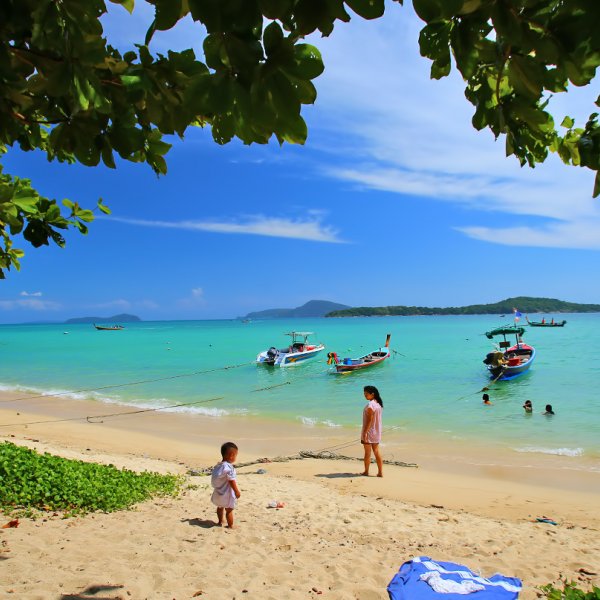
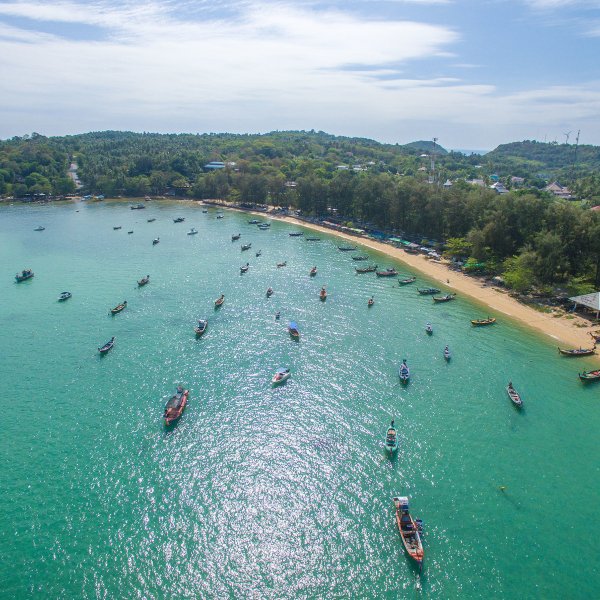
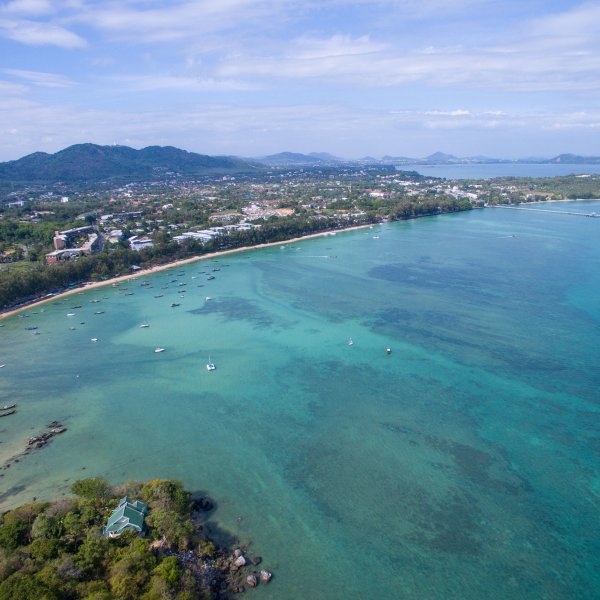
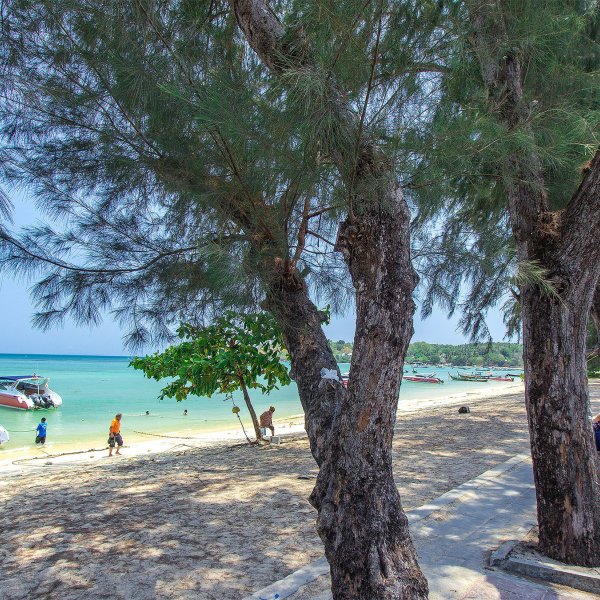
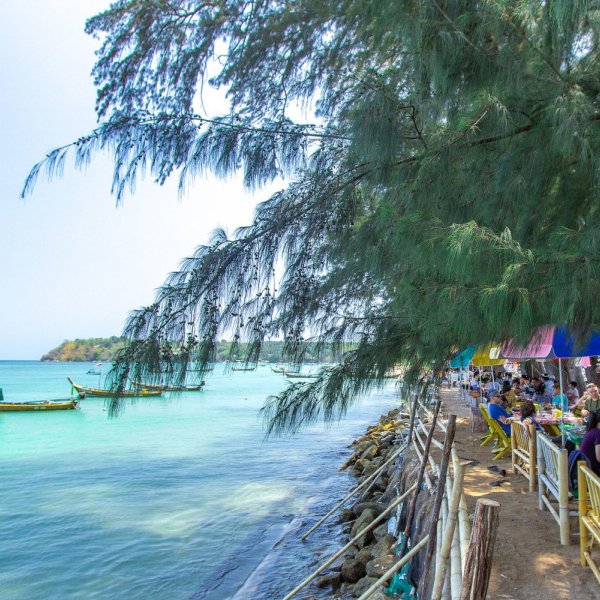
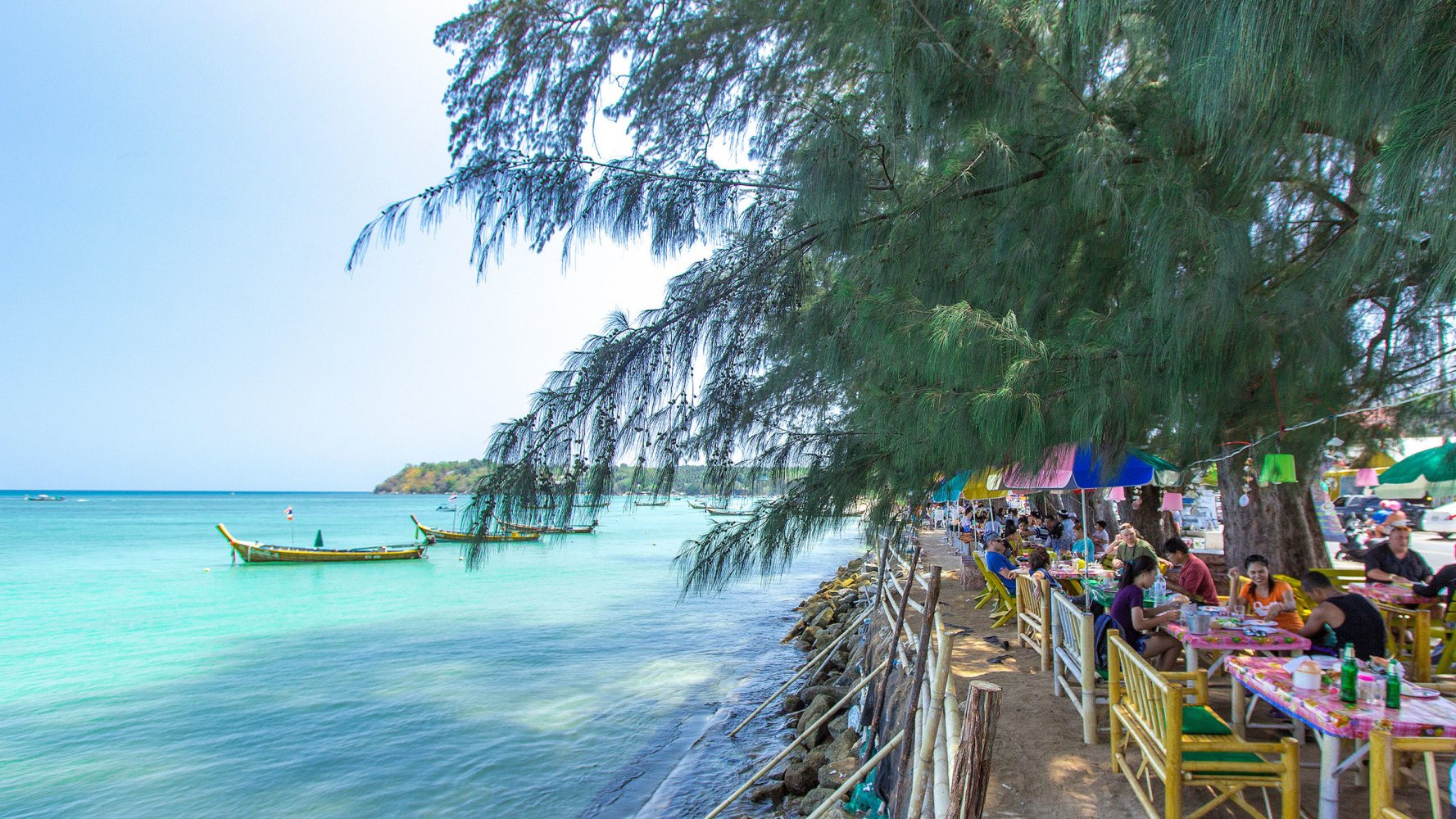
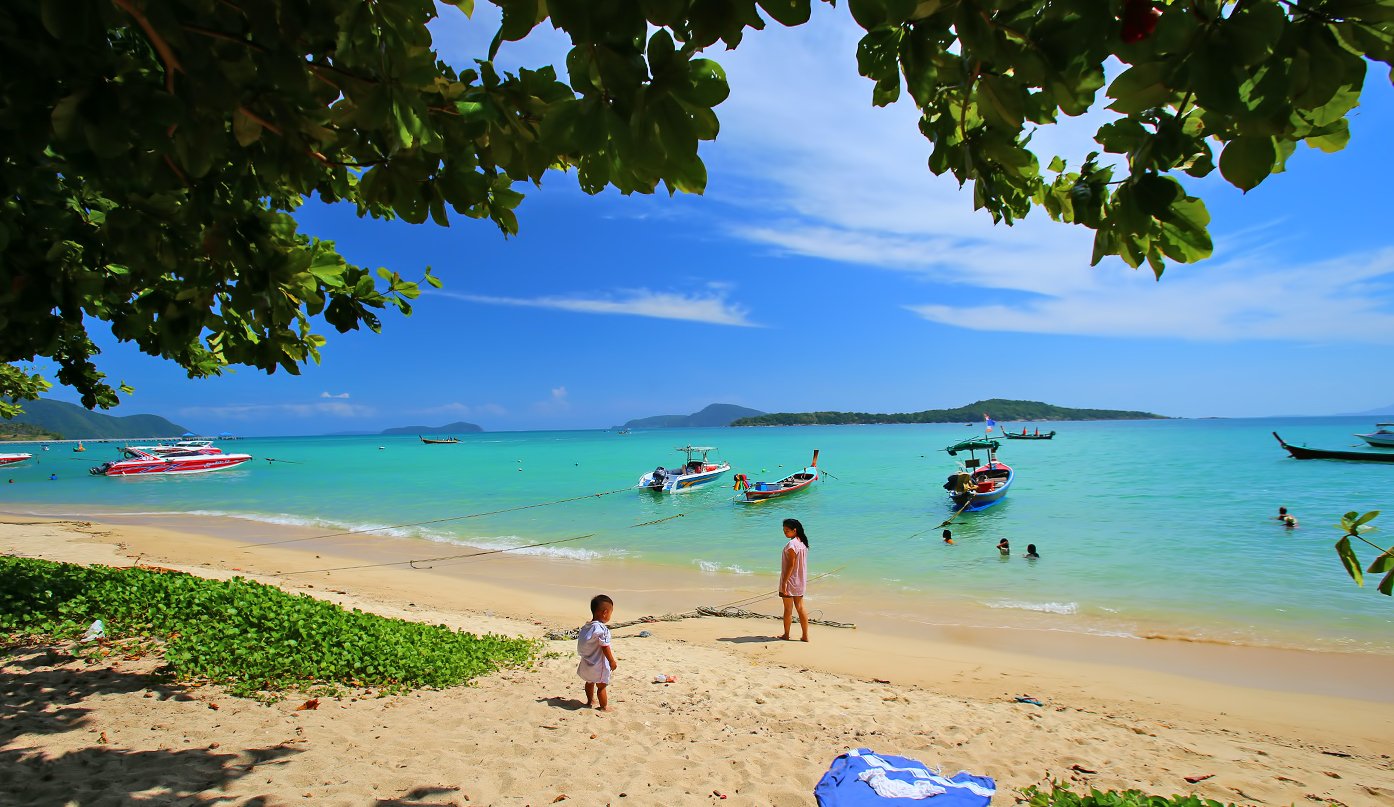
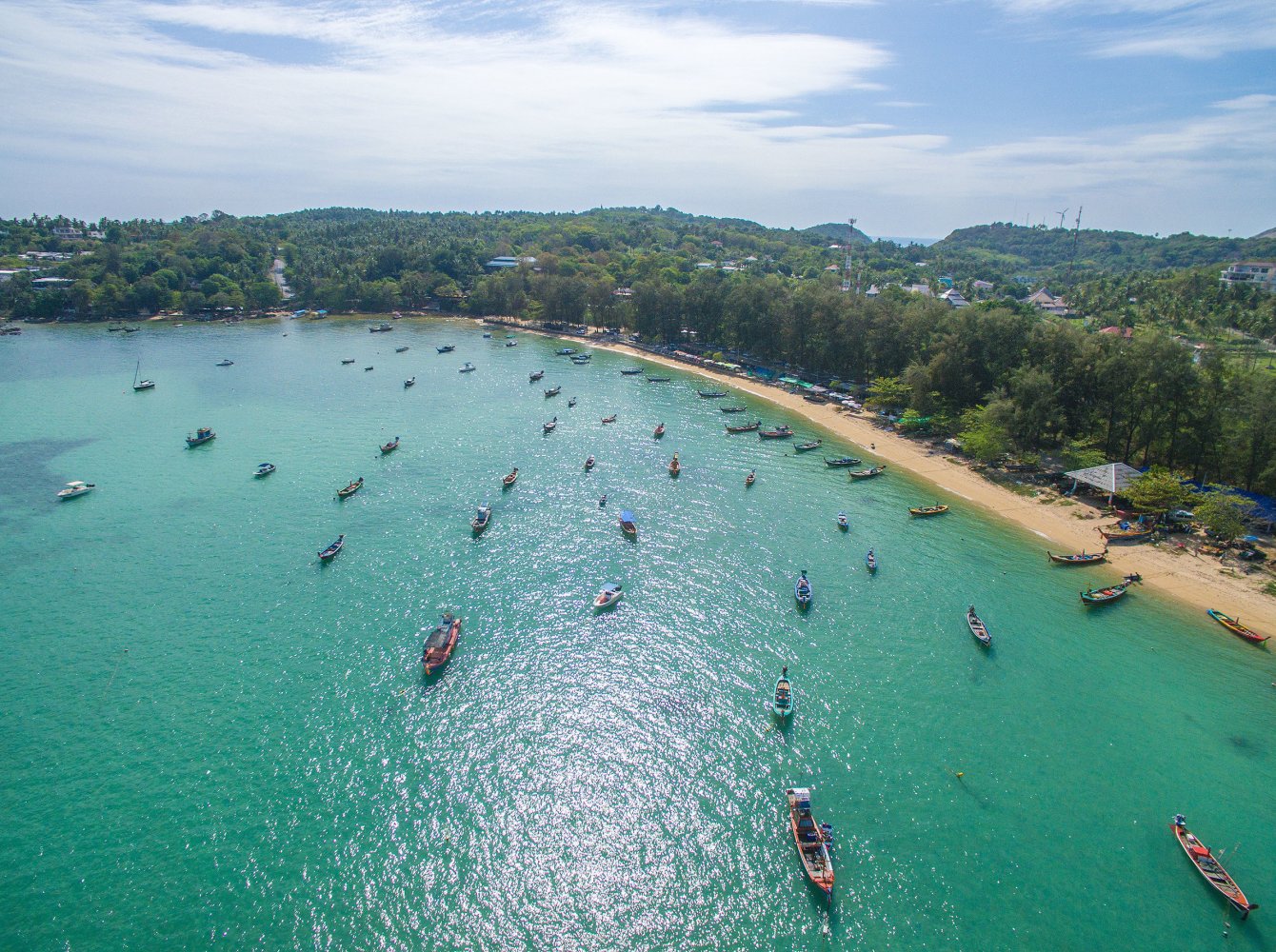
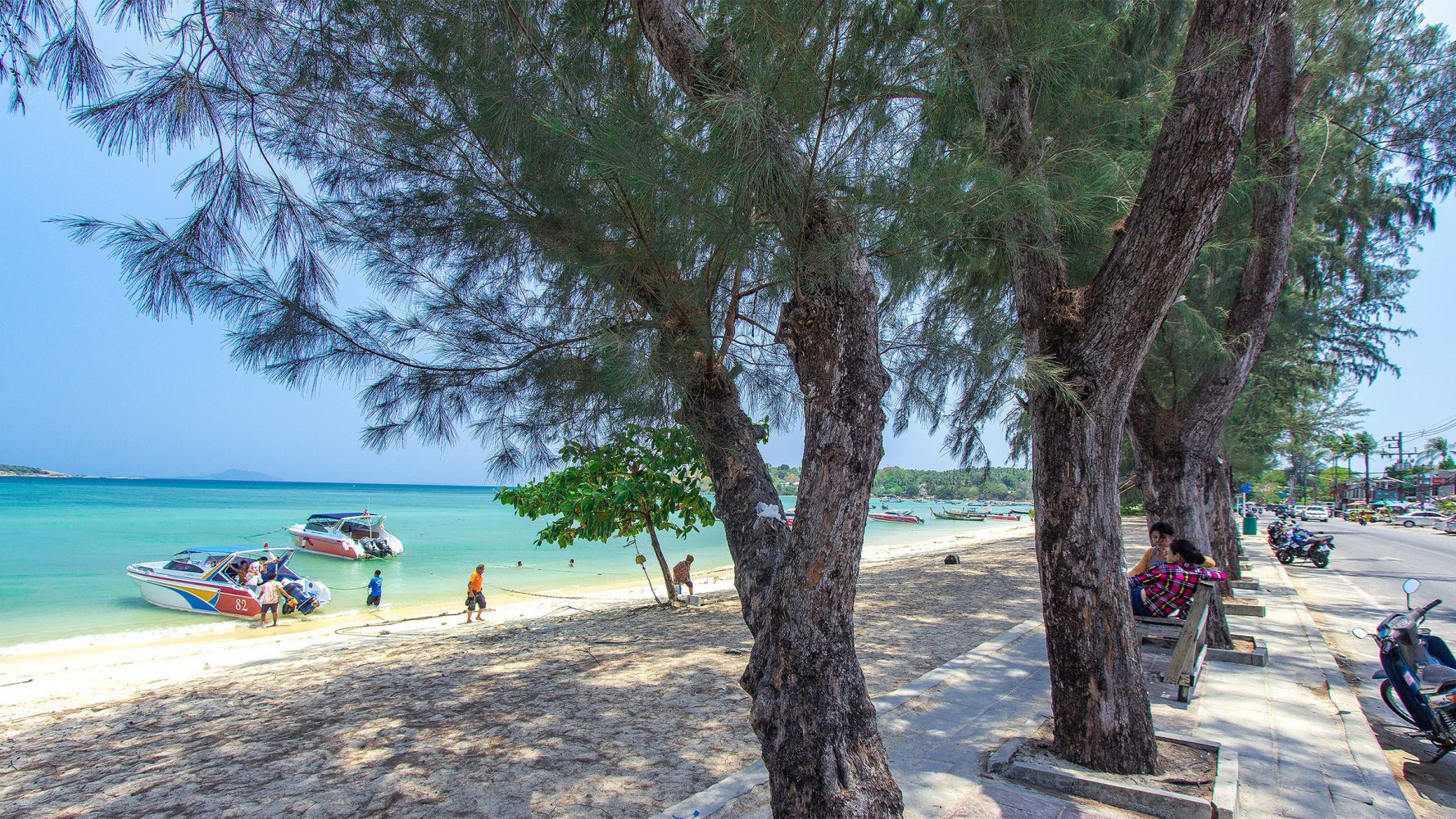
You have probably seen photos of longtail boats with colorful flags tied up on the nose, moored next to the turquoise waters. These photos are Phuket’s main advertisement channels. They are usually taken at the south part of Phuket - here, in Rawai. The infrastructure for rest and enjoyment here is the most developed on the island. However, there is one downside - you won’t be able to swim here, as the beach is highly affected by the tidal changes and the sand is mixed in with rocks and sludge. However, over
Photo
Map view



Rawai — Phuket area for living and investment
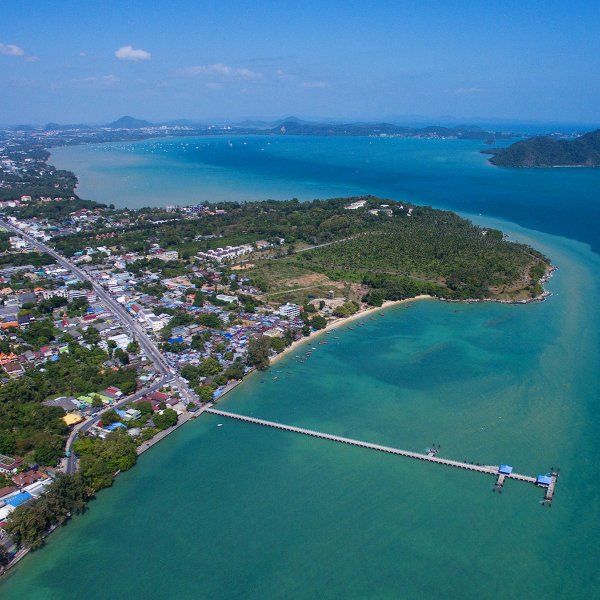
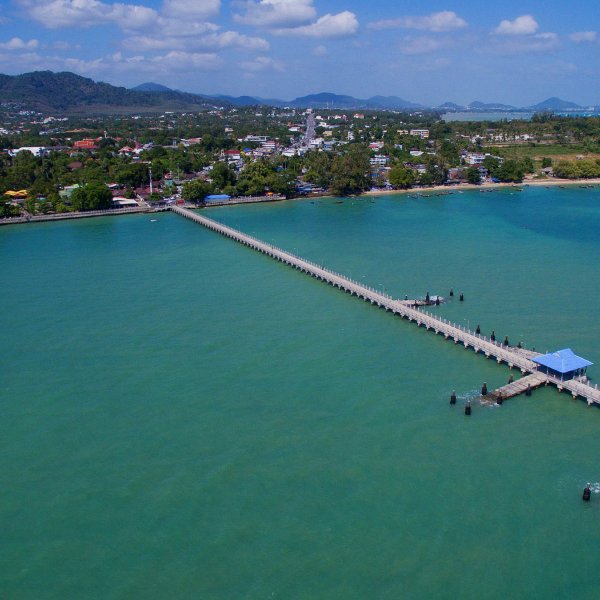
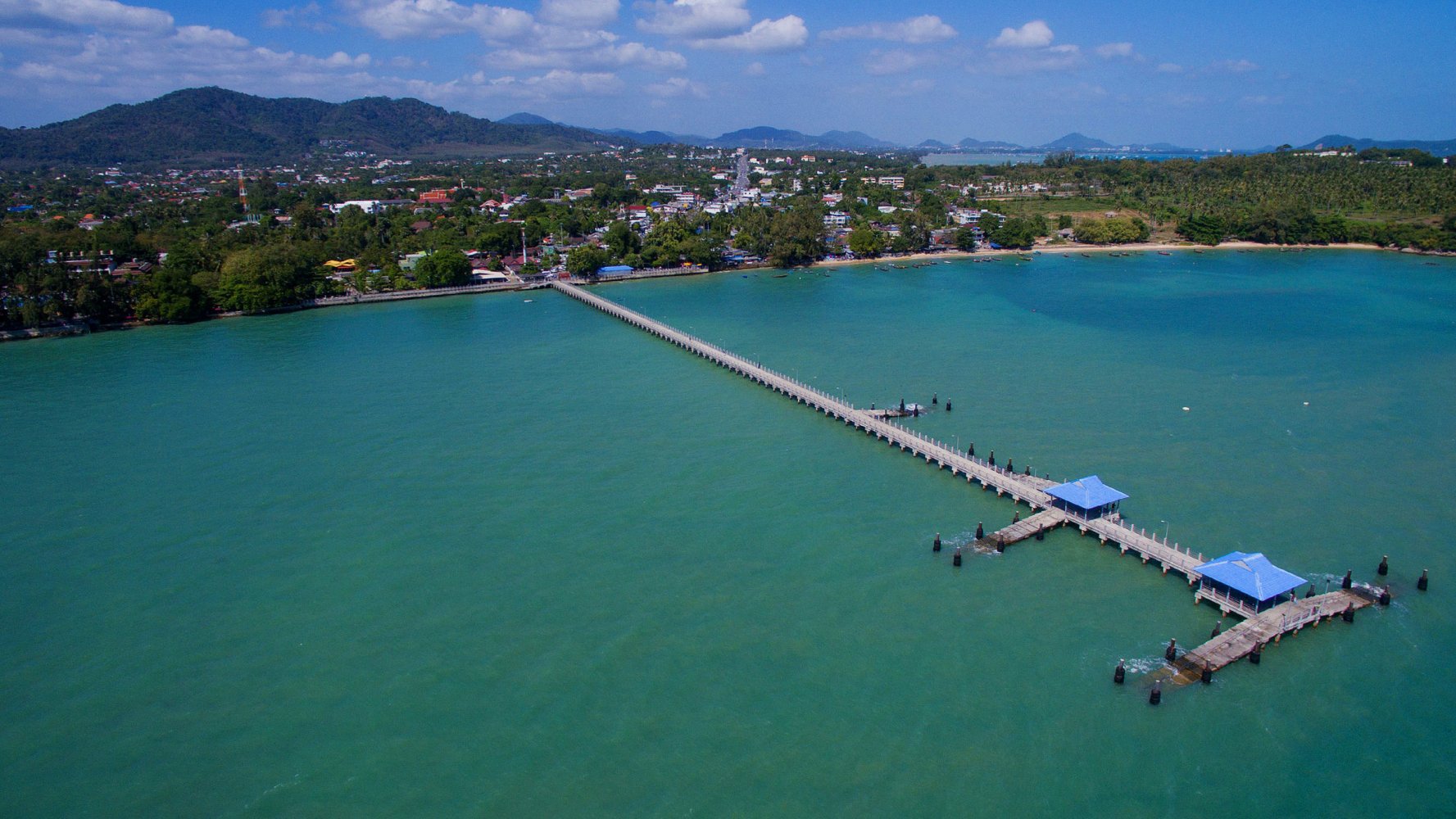
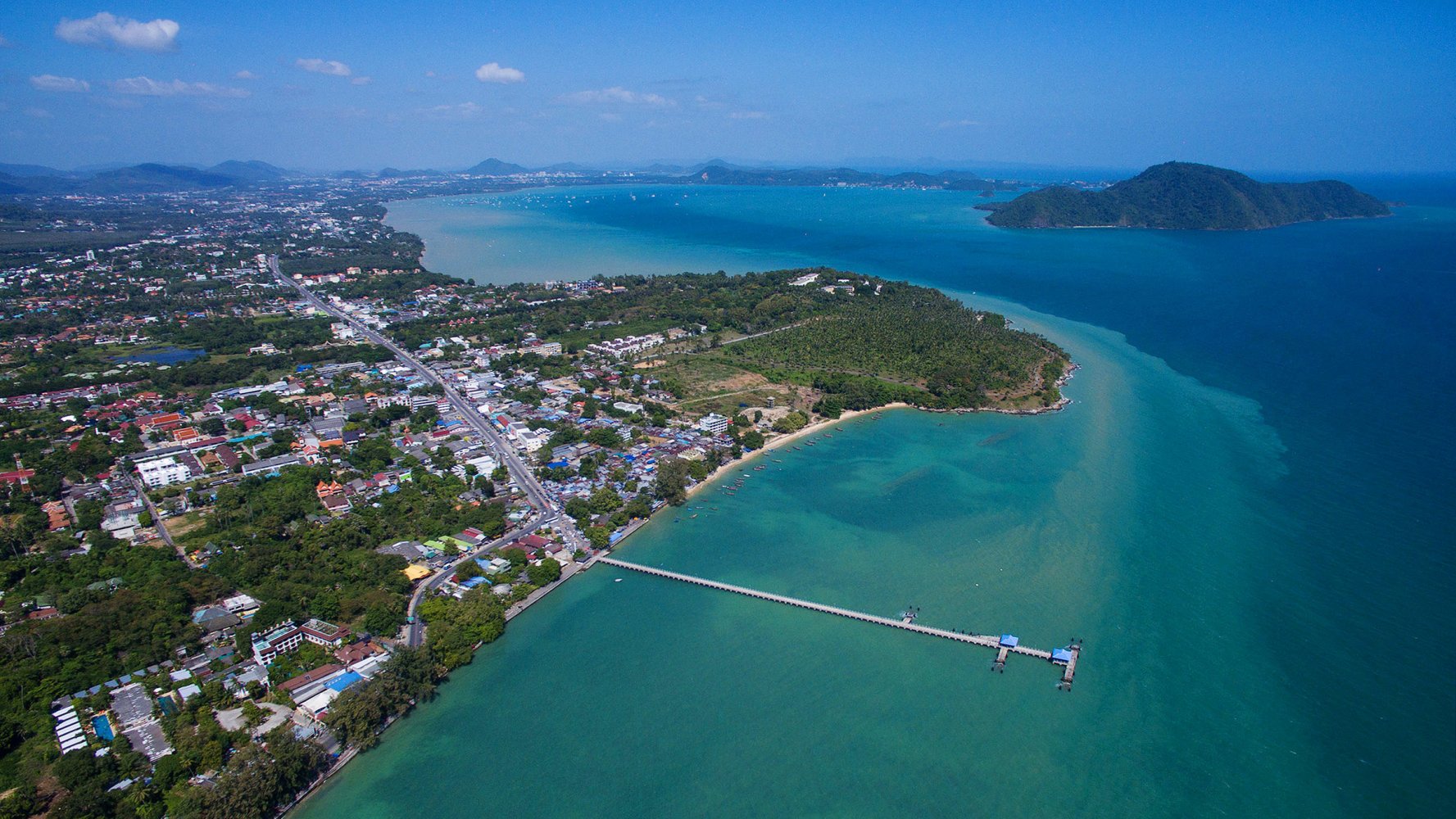
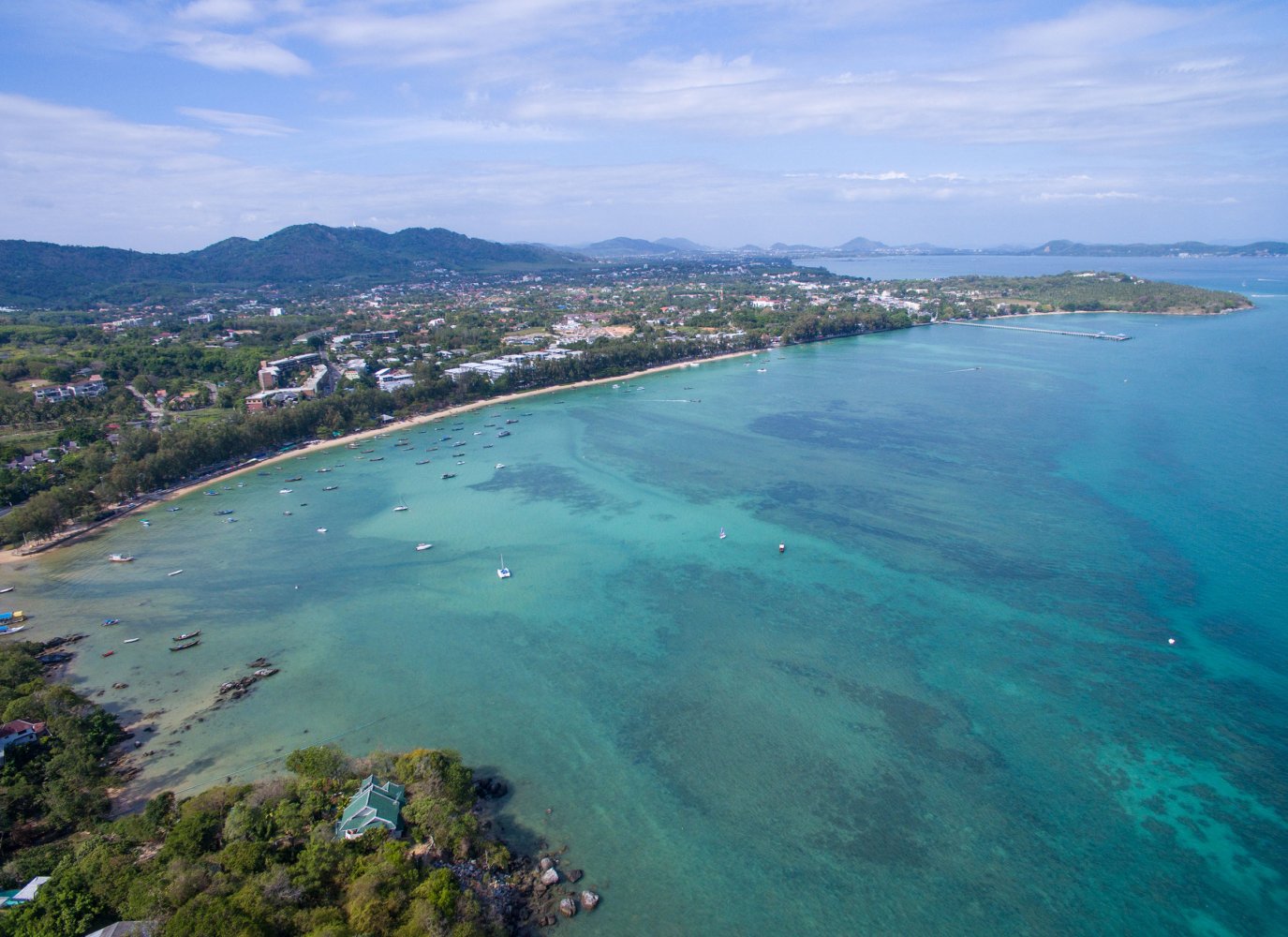
Rawai is Phuket's southernmost district, popular among expats and digital nomads. There is no typical swimming beach here, but the fishing waterfront features a seafood market and boat piers to Racha and Coral islands.
The area is valued for affordable prices, a relaxed pace of life, and authentic Thai atmosphere. Condominiums start from 2.5 million THB ($70,000), pool villas from 8 million THB ($225,000). Within walking distance you will find dozens of restaurants, cafes, coworking spaces, and convenience stores.
The nearest swimming beach is Nai Harn (5 minutes by car), one of Phuket's finest. Promthep Cape — the island's most famous viewpoint — is also 5 minutes away. The airport is 45-50 minutes, Phuket Town is 20 minutes.
Rawai suits those seeking affordable full-time living, freelancers, and European retirees. Downsides include distance from the airport and from west coast international schools.
FAQ — Rawai


Properties for sale in this location






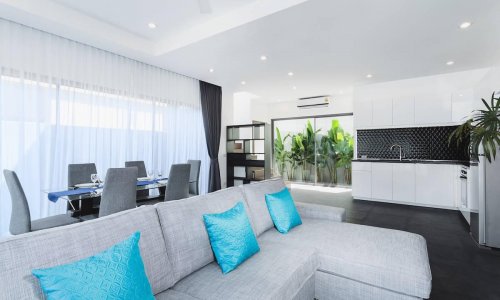
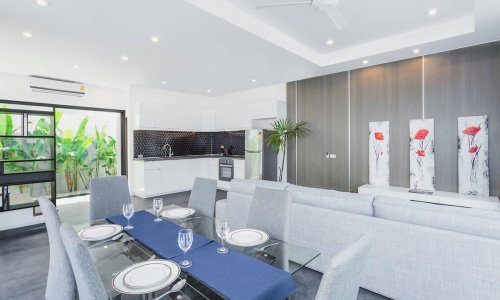
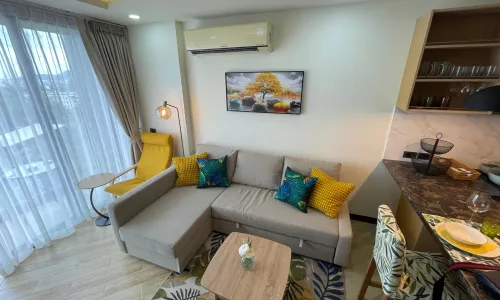
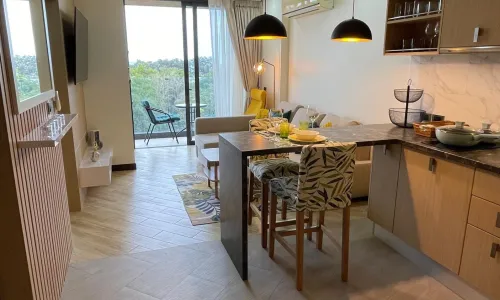
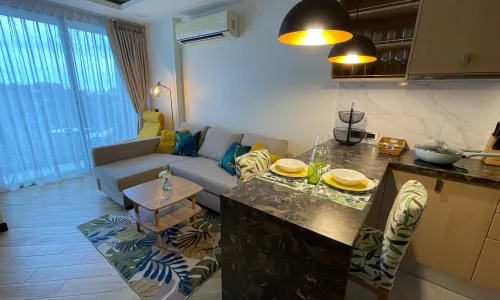
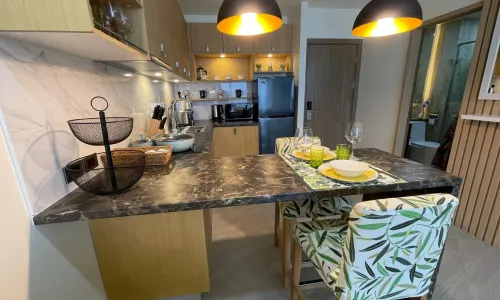
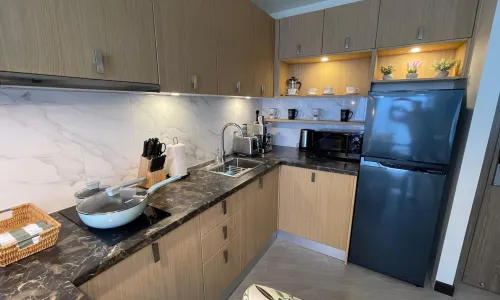
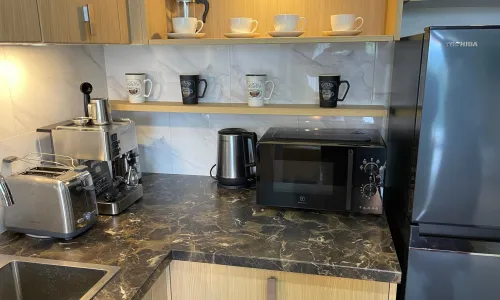
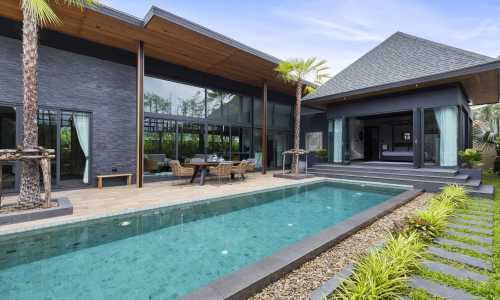
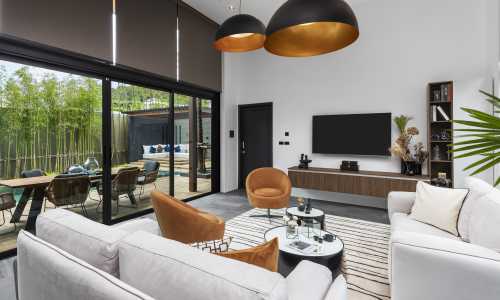
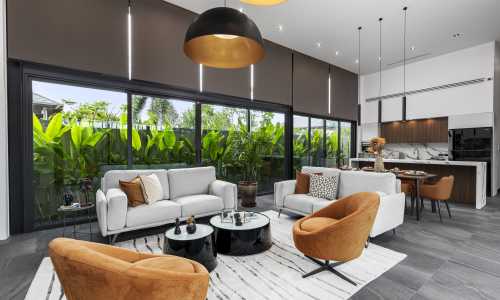
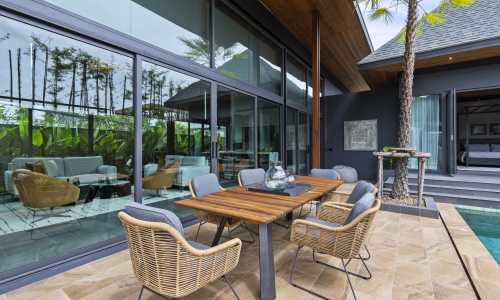




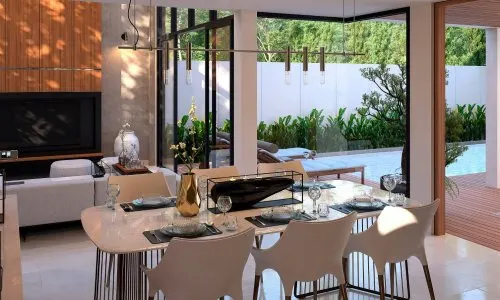

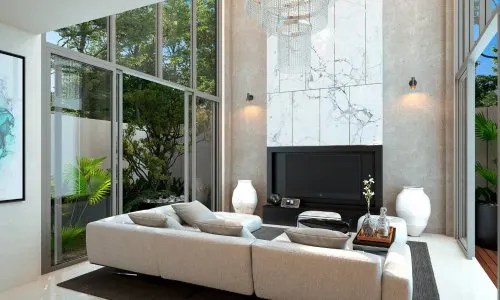

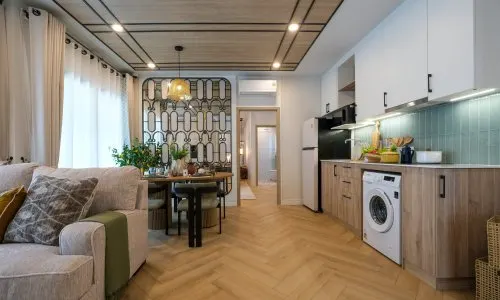
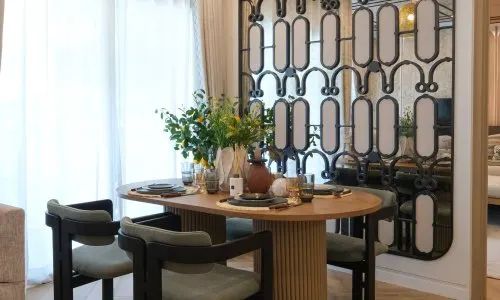








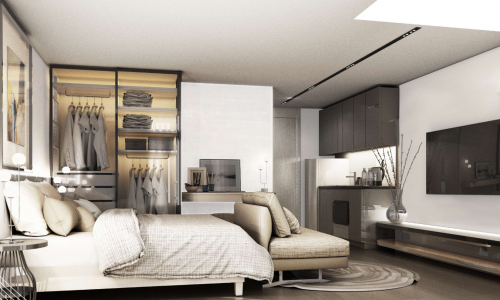
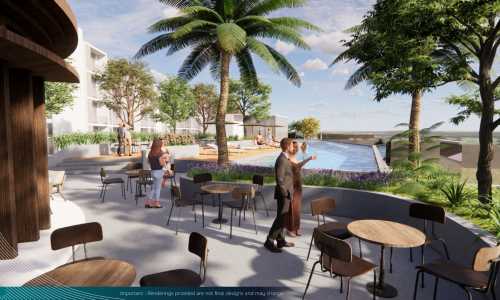
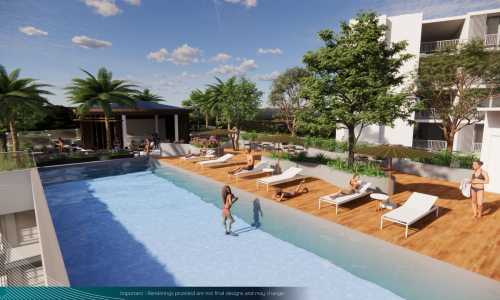
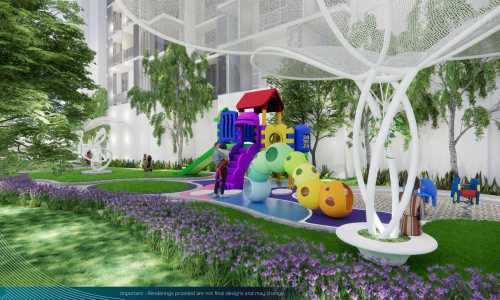


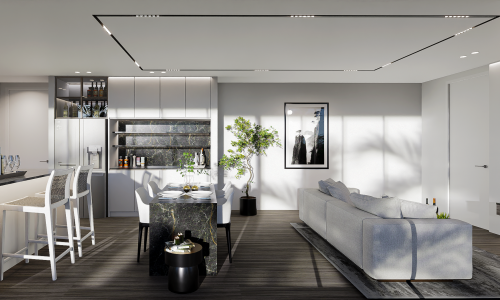
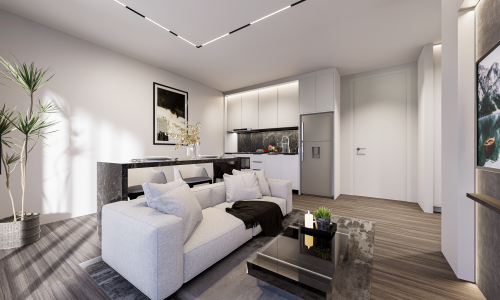
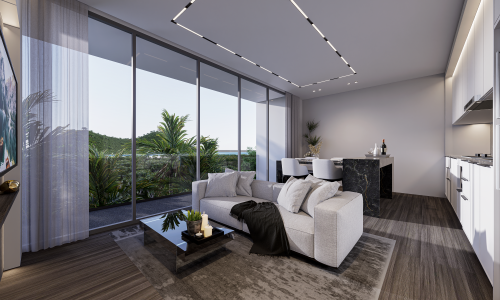
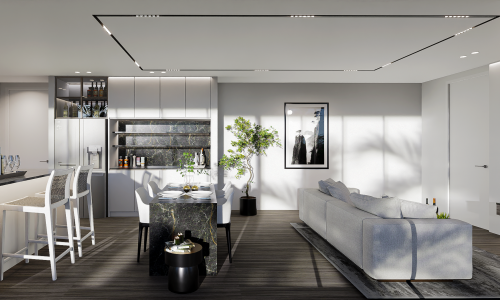
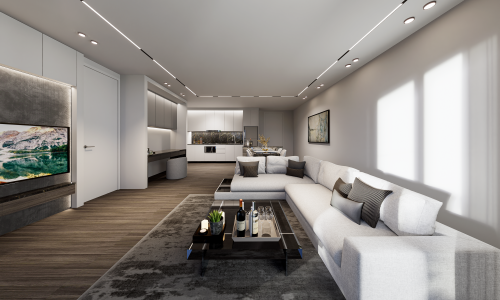
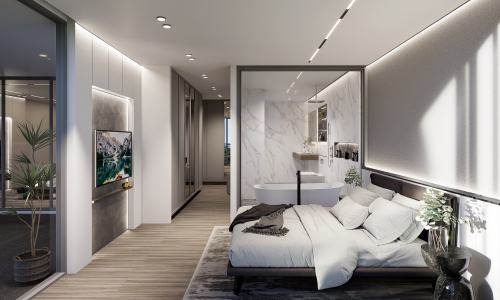
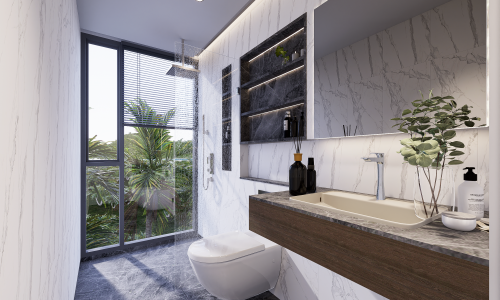
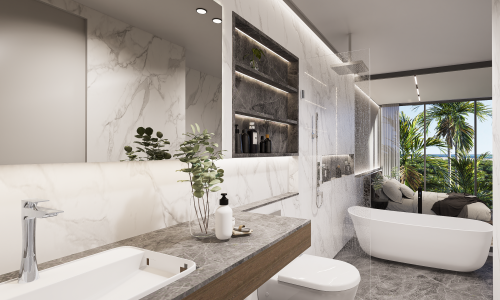
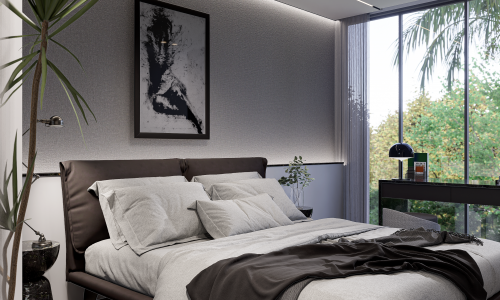
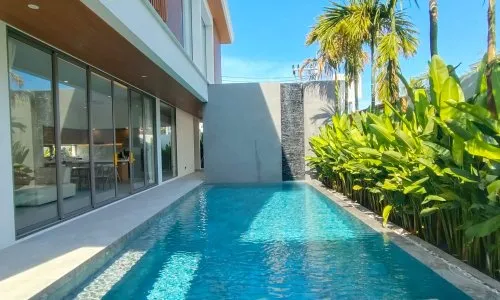
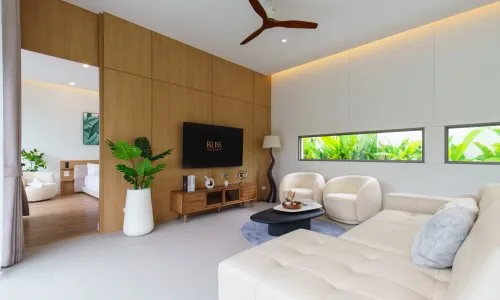


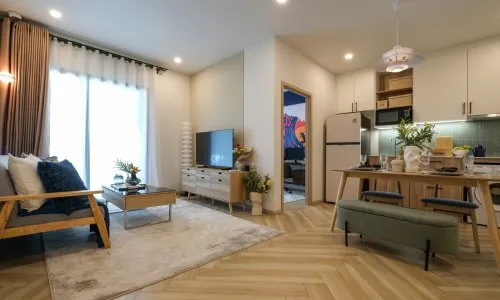
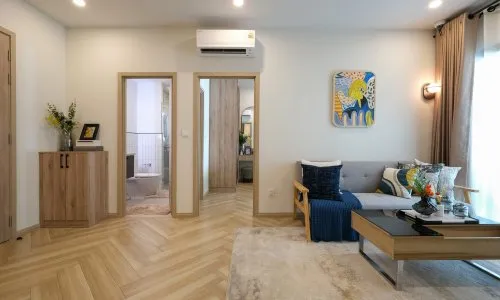
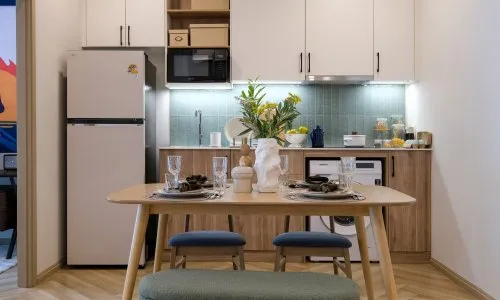


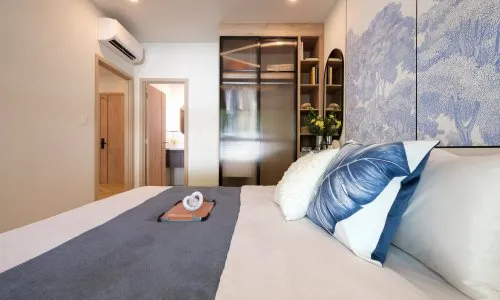
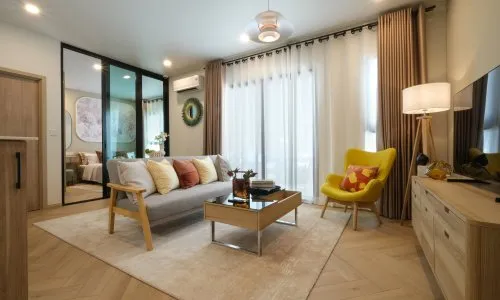
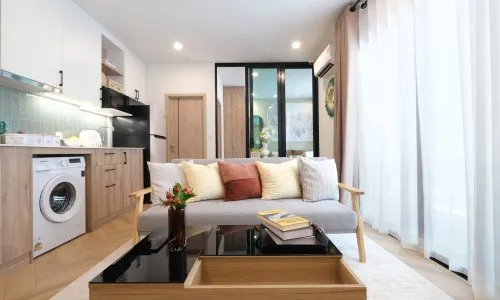
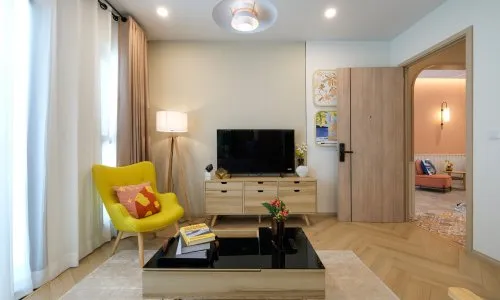
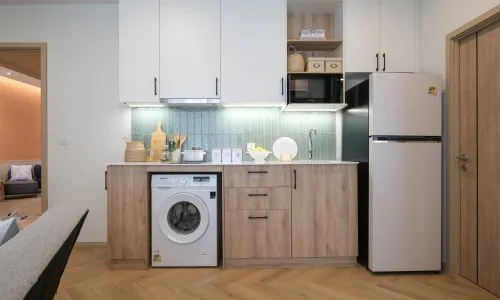

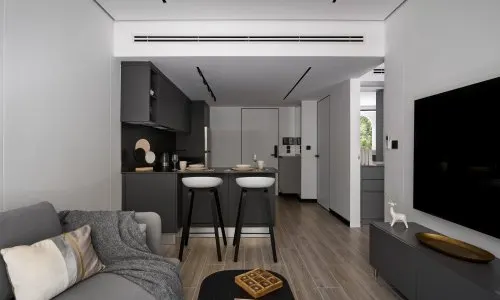

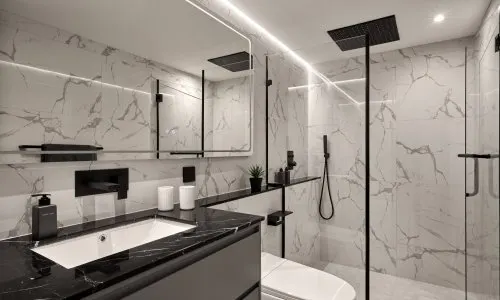


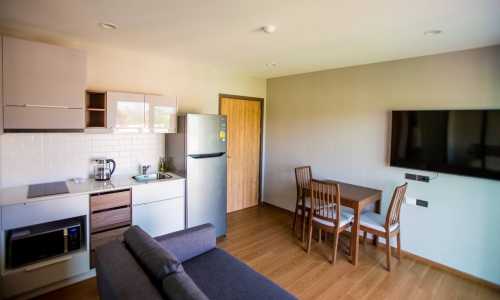


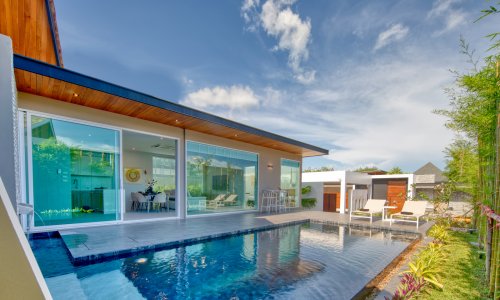
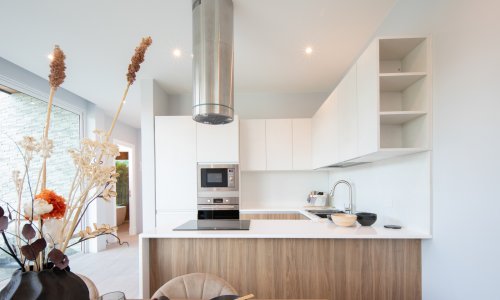


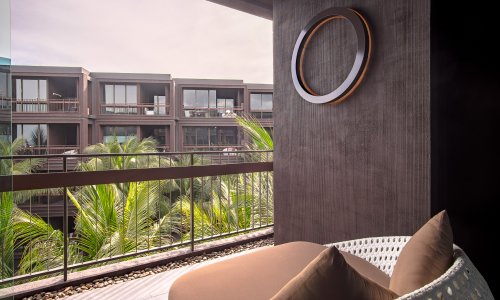


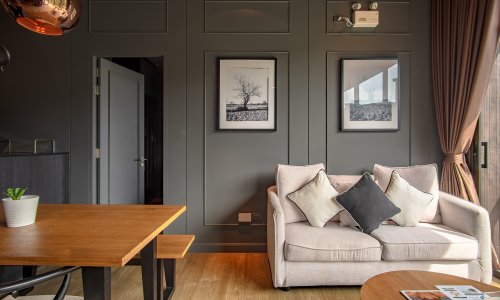


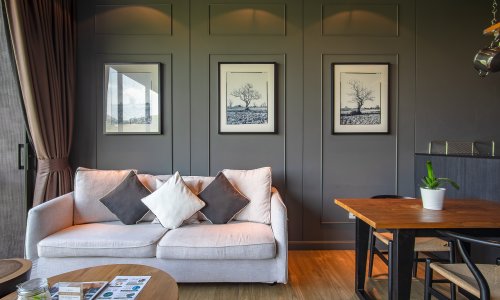


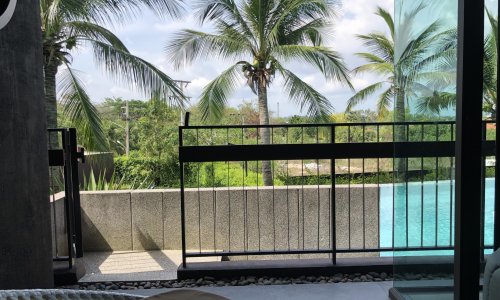

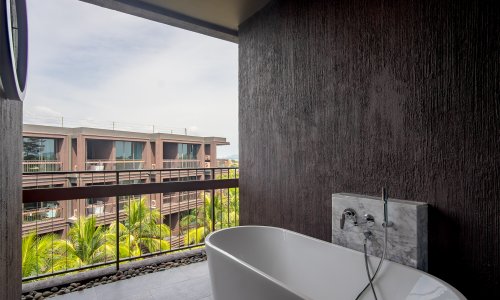
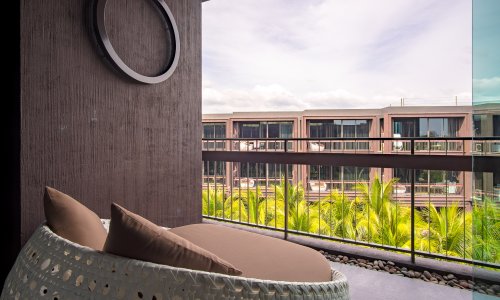


Properties for rent in this location
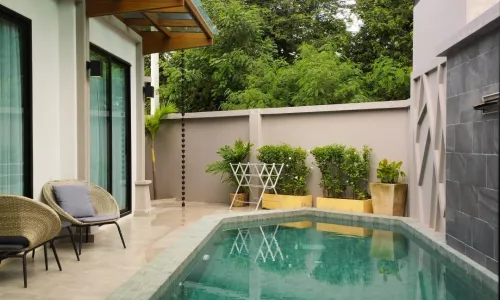


































































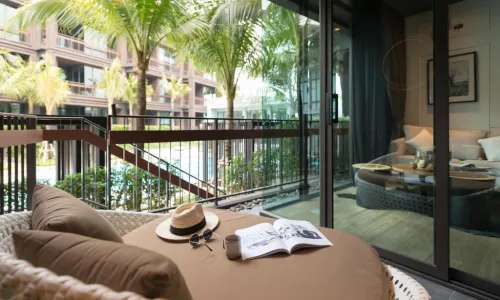
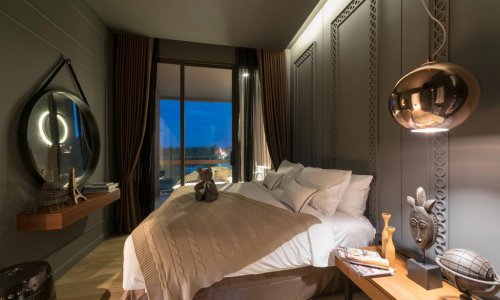


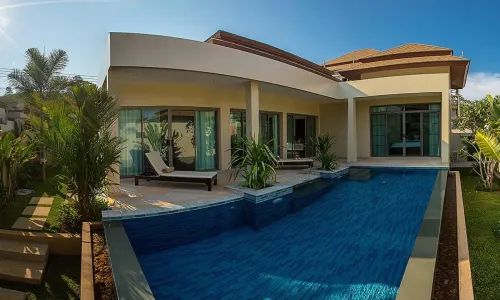


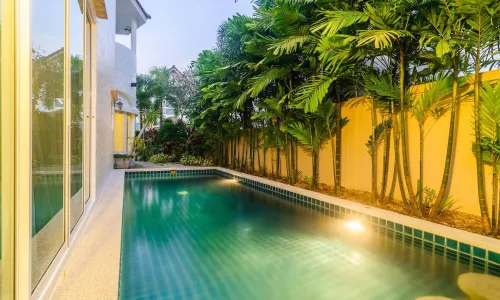

Buying in Rawai as a Foreign National
A focused legal, tax, visa and lifestyle briefing for foreign buyers considering property in Rawai. Information is general guidance — InDreams Phuket recommends consulting a Thai-licensed lawyer before signing any reservation agreement.
Property Ownership Rules
Foreigners can hold a condominium unit as 100% freehold in their own name, provided the project remains within the 49% foreign ownership quota under the Thailand Condominium Act B.E. 2522. Ownership is registered at the Land Office and the title (Chanote) is issued directly to the buyer.
- Funds for the purchase must be remitted from abroad in foreign currency.
- A Foreign Exchange Transaction (FET) form is required from the receiving Thai bank.
- Ownership is permanent, inheritable, and freely transferable to another foreigner.
Foreigners cannot directly own land in Thailand. For villas and houses, the standard structure is a registered 30-year leasehold with two contractual 30-year renewal options, plus full freehold ownership of the building (the structure itself).
- Lease is registered at the Land Office and noted on the title deed (Chanote).
- Building / structure can be owned in the foreigner's name via a separate construction permit.
- Alternative routes: Thai limited company ownership, BOI-approved investment, or a Thai-national long-term partner.
Investment Returns
Net rental yields in Phuket's prime west-coast areas typically range from 5% to 8% per annum, depending on building age, management quality, season and asset class. Capital appreciation in established areas has historically averaged 5–7% per year. Individual projects in Rawai may offer contractual rental programmes with developer-guaranteed returns — see each property listing for project-specific terms.
Tax & Fees for Foreign Buyers
Total combined closing costs for a foreign buyer typically fall in the 3–5% range of the purchase price, depending on the deal structure and how transfer fees are split. InDreams Phuket can request a written closing-cost estimate from our partner law firm before you commit.
Visa Pathways for Property Owners
The flagship visa for foreign investors and high-income professionals. Four eligibility tracks: Wealthy Global Citizen (USD 1M+ in assets & USD 80K income), Wealthy Pensioner (age 50+, USD 80K pension/year), Work-from-Thailand Professional, and Highly Skilled Professional. Tax incentives include a flat 17% rate for HSP and no taxation on foreign-source income brought in.
The fastest and most popular route for property buyers who do not qualify for LTR. No income, age, or investment requirements beyond the one-time membership fee. Includes airport fast-track, dedicated concierge, and 90-day reporting handled by the program.
Available to foreigners who invest at least 10,000,000 THB in qualifying assets, including condominium units registered as freehold to the applicant. Renewable indefinitely while the investment is maintained.
Long-established option for buyers aged 50 and above. Requires either 800,000 THB on a Thai bank deposit or a monthly income of 65,000 THB. O-X variant grants a 5-year stay for nationals of selected countries.
Lifestyle for Expats in Rawai
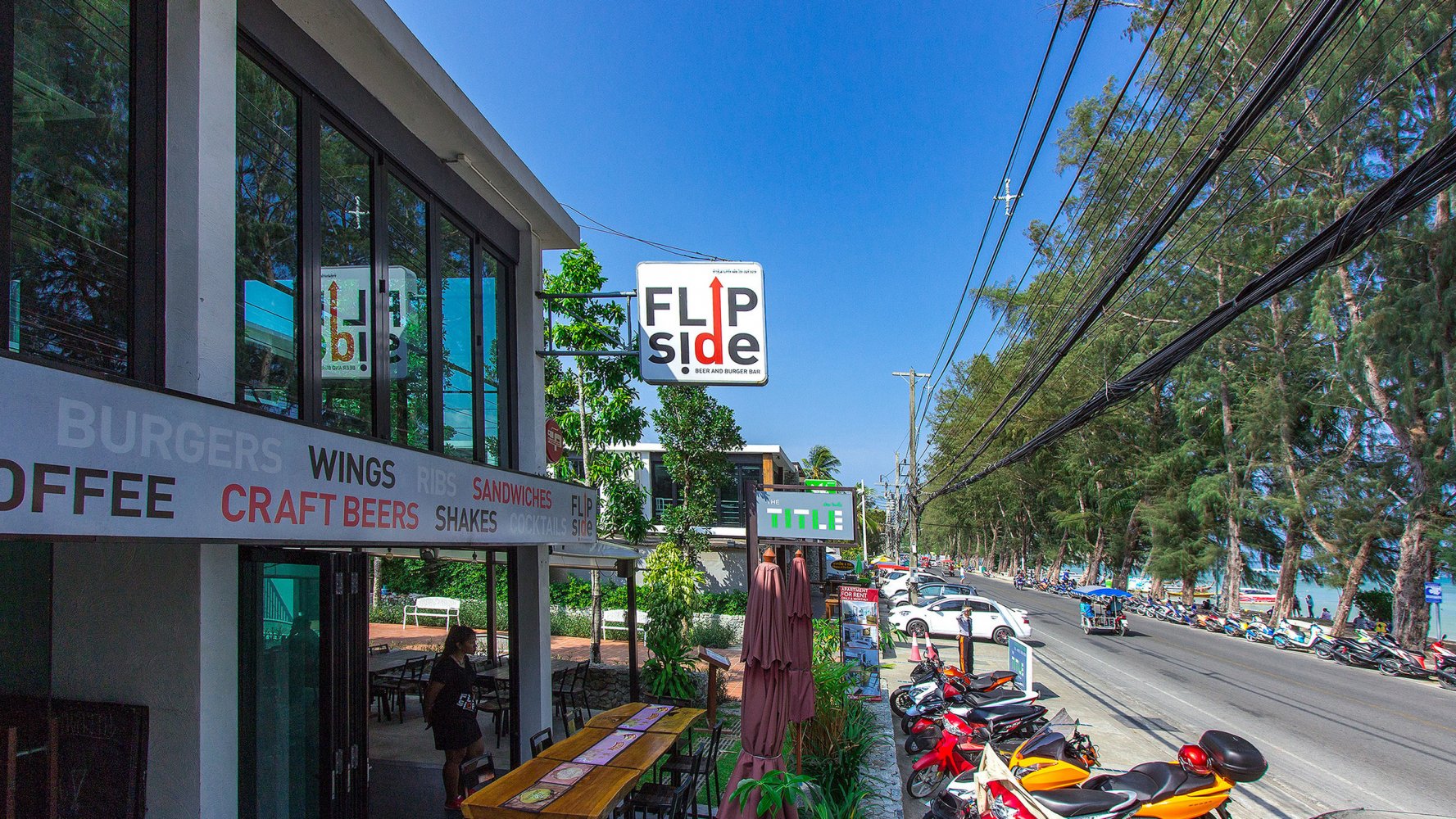
Rawai sits at the southern tip of Phuket and has the longest established foreign resident community on the island. People started settling here in the 1990s for two reasons: cheap land back then, and a coastline that faces calm water on the east side rather than the surf of the west coast. The result is a town that feels lived in rather than touristic. The main road runs parallel to the seafront and is full of long-stay infrastructure: international clinics, dental practices, scuba schools, yoga studios, two large supermarkets, dozens of small Thai restaurants and a steady rotation of European-run cafes and bakeries. The demographic skews older than Bang Tao, with a heavy Scandinavian, German, French and Russian presence, plus a growing number of families who chose Rawai specifically for the lower density and direct access to the southern beaches. Day to day, Nai Harn beach is five minutes west, Promthep Cape ten, and Chalong Pier ten minutes north for boats to the islands. The trade-off is that Rawai is roughly 40 minutes from the airport and 25 minutes from Patong, so it works best for people whose life is rooted on the south end of the island. Schools require a car ride into Phuket Town. Healthcare is well covered by Mission Hospital and Bangkok Hospital Phuket. Rawai is the practical choice for long-stay residents who value community over beachfront glamour.
- HeadStart International School (Phuket Town campus) 14 km
- QSI International School of Phuket 15 km
- Kajonkiet International School Phuket 13 km
- British Curriculum International School (BCIS) Phuket 10 km
Rawai Beach Road and seafront promenade with seafood market and Sea Gypsy village; Rawai weekly markets (Tuesday and Friday) for street food and produce; Nai Harn Beach area (5 minutes drive west); Chalong Circle (5 km north) for Makro, banks and visa runs.
Mission Hospital Phuket (12 km, private); Bangkok Hospital Phuket (16 km, JCI-accredited); Vachira Phuket Hospital (15 km, public, major trauma centre).
Nikita Beach Restaurant (long established seafront spot under banyan trees), Reggae Bar Rawai, Friendship Beach (live music venue), Promthep Cape viewpoint dining, Rum Jungle Cafe (popular expat brunch spot on the way to Nai Harn).