What a Phuket condo really is
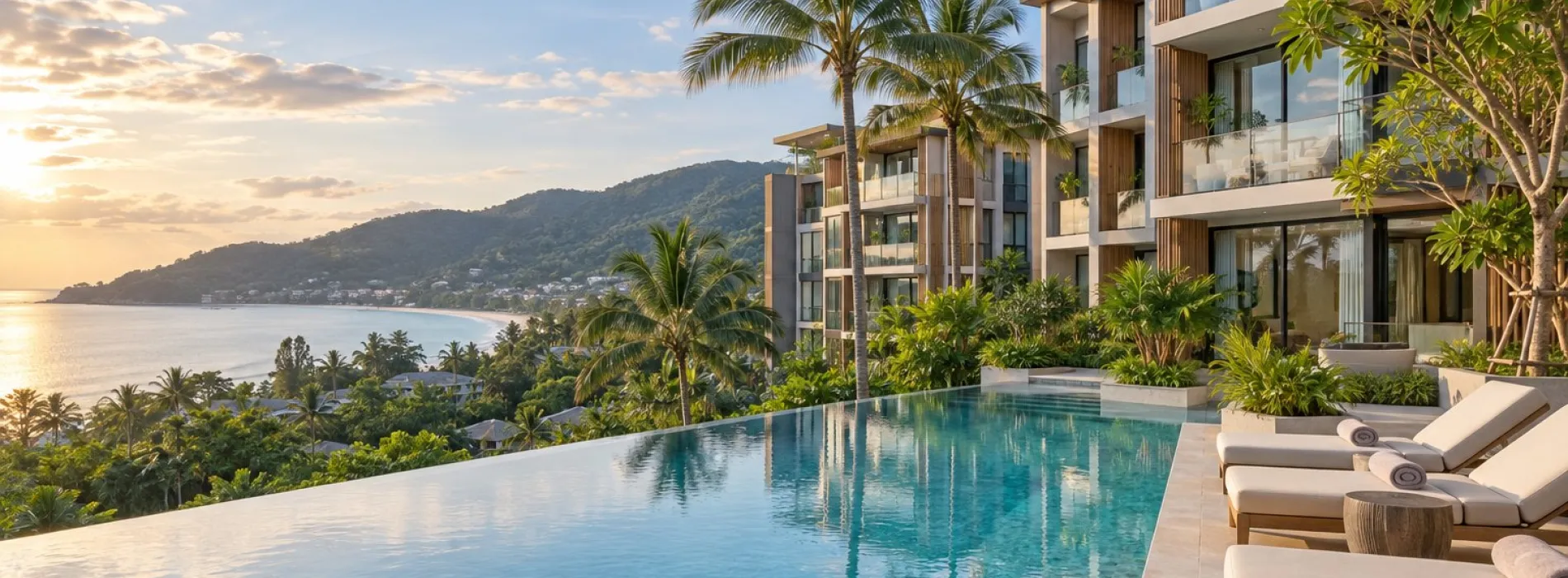
When people talk about a Phuket condo, they usually mean an apartment inside a condominium complex with shared infrastructure: pool, security, gym, reception, parking, and a management company. For many InDreams clients this is the most practical format because it works for several goals at once: holidays, winter stays, long-term living, passive income, and a first entry into the Thai real estate market.
Condos also have a major legal advantage. This is the property type most commonly available to foreigners on a freehold basis, as long as the foreign quota in the building is still available. If your goal is to understand the market, stay near the beach, and avoid a complicated ownership structure, a condo is usually the most rational place to start.
When to rent and when to buy
One of the most common mistakes is trying to solve the “rent or buy” question without first defining the strategy. If you are just testing the island, coming for one to three months, or still deciding which area fits your lifestyle, renting is the better move. It gives you room to test the beach access, traffic, seasonality, infrastructure, and the actual quality of the project without a capital commitment.
Buying a condo usually makes more sense in four situations:
- you visit Phuket regularly and want to lock in your living costs;
- you want a more straightforward foreign ownership format;
- you plan to stay long term and want control over the unit;
- you see the property as an investment for rental income and resale value.
| Scenario | What usually works better | Why |
|---|---|---|
| First season in Phuket | Renting | Best way to test the area, project, and lifestyle |
| Three to six months per year | Rent first, then buy | You need to understand your real usage pattern |
| Regular visits and long stays | Buying | Less dependence on seasonal rent volatility |
| Rental investment | Buying after ROI analysis | Management rules, fees, and liquidity become critical |
Best areas for condos
There is no universally “best” area. The right location depends on your goal. For premium lifestyle and stronger long-stay demand, buyers often start with Bangtao, Laguna, Layan, and Kamala. For family-friendly beach living, Kata and Karon are more intuitive choices. For practical long-term living near schools, hospitals, and supermarkets, Chalong, Kathu, and Phuket Town can be more rational than the postcard beach areas.
- Bangtao / Laguna — premium, polished, and often better for long-stay demand and resale liquidity.
- Kamala — calmer, better for privacy, view-oriented projects, and a slower pace.
- Kata / Karon — strong for beach lifestyle and short-term rental demand.
- Patong — tourist-heavy, more volatile, not ideal for every owner profile.
- Rawai / Nai Harn — southern Phuket, more residential and popular with winterers.
- Phuket Town / Kathu / Chalong — more about infrastructure, schools, and value than resort image.
Rental and purchase budgets
Pricing depends on season, area, project brand, distance to the beach, and the real condition of the complex. The biggest mistake is focusing only on the asking price. For rentals, you should also look at deposit terms, utilities, internet, cleaning, and minimum stay rules. For buying, you should add CAM fees, sinking fund, legal costs, and future resale liquidity.
| Format | Long-stay rental | Purchase |
|---|---|---|
| Studio | 18,000–30,000 THB / month | 3–5M THB |
| 1-bedroom | 25,000–45,000 THB / month | 4.5–8M THB |
| 2-bedroom | 45,000–90,000 THB / month | 8–15M THB+ |
If your goal is to buy, compare this page with our guide to Phuket property prices by area and our article about real Phuket property ROI.
Condo selection checklist
- Check the area by real travel time, not only by map distance.
- Understand the rental rules of the project before you commit.
- Ask about CAM fees and sinking fund, not only the sale price.
- Inspect the common areas and the real management quality.
- Check for nearby construction, road noise, bars, and view-blocking risks.
- Look at resale history inside the same complex, not just the wider area.
- If buying freehold, verify the foreign quota in advance.
Common mistakes
- Buying the render, not the project. In condos, the real value comes from the complex, management, and market depth.
- Trusting headline rental yield. What matters is net ROI after commissions, vacancy, and operating costs.
- Choosing the area based on a holiday mood. A good vacation location is not always the best place for living or investing.
- Ignoring rental restrictions. Not every project is equally practical for short-term income.
- Skipping legal checks. Even with condos, quota, contract structure, and transfer details still matter.
What to do next
If you are still in research mode, start with two steps. First, define the scenario: holiday use, long stay, investment, or your own residence. Second, compare two or three areas and two or three projects within the same budget instead of emotionally focusing on just one unit.
Useful next reads:
- How to Buy Property in Phuket as a Foreigner
- Freehold vs Leasehold
- Apartments for sale in Phuket
- Phuket rentals
If you want, we can build a short list of Phuket condos for your exact budget and goal: holidays, living, resale, or rental income.