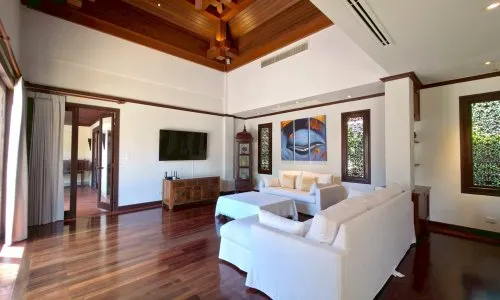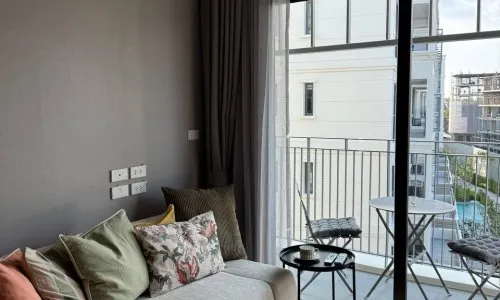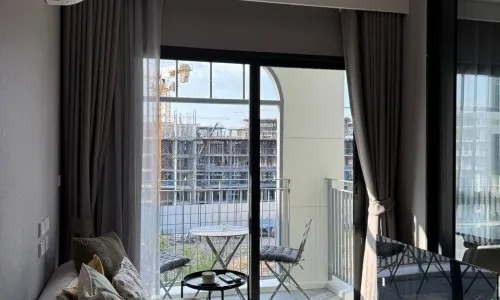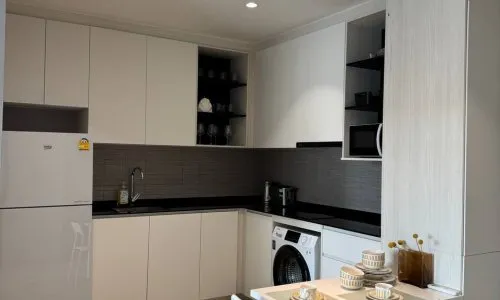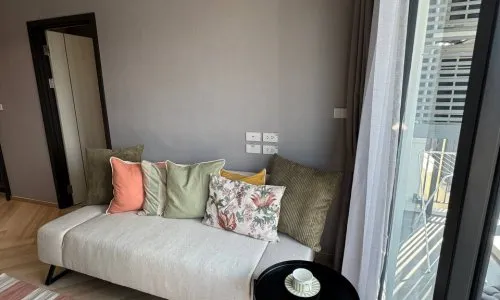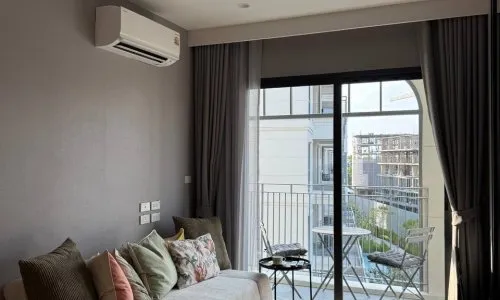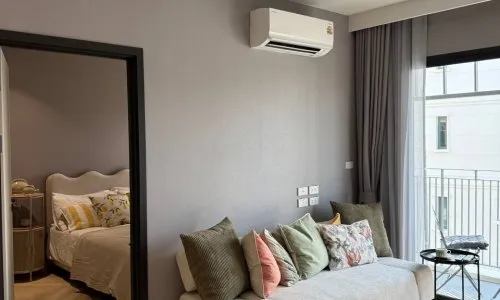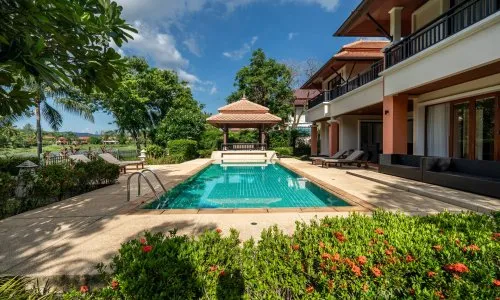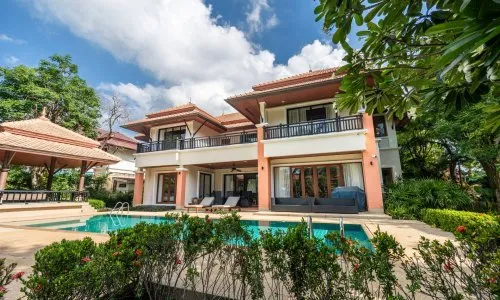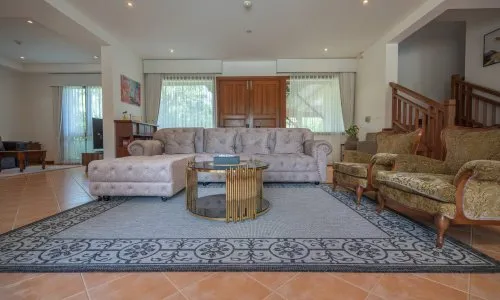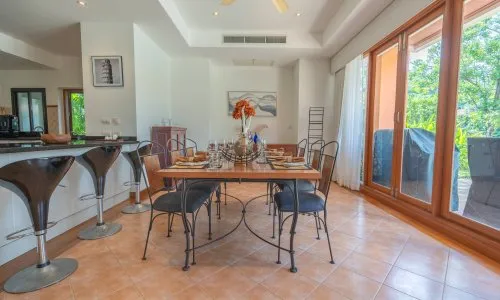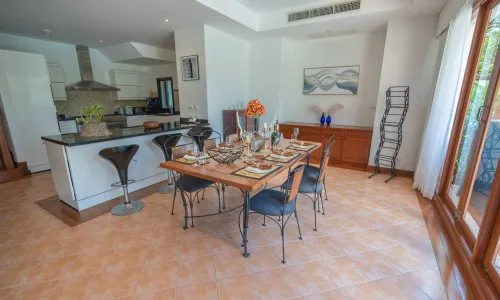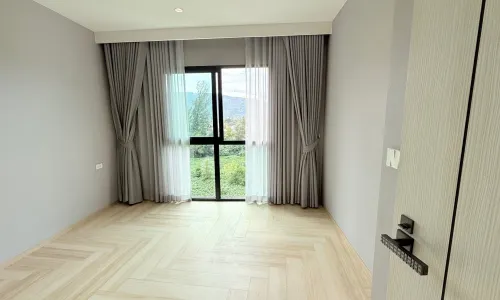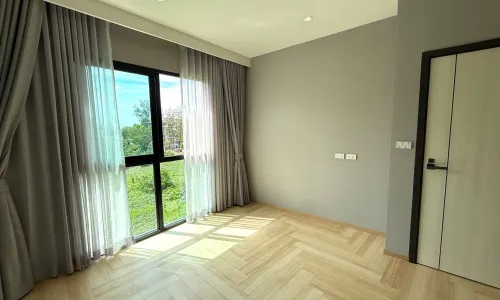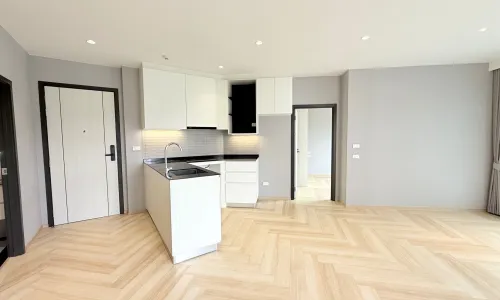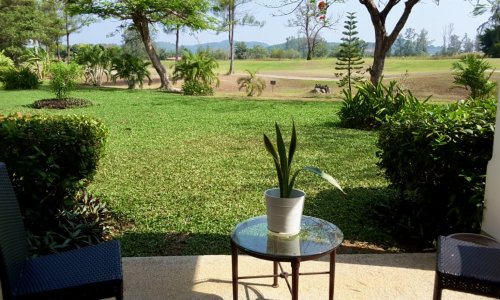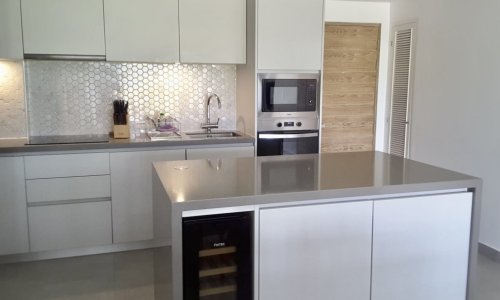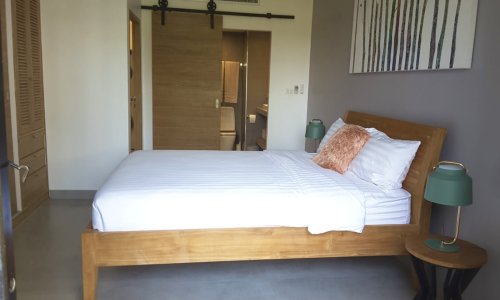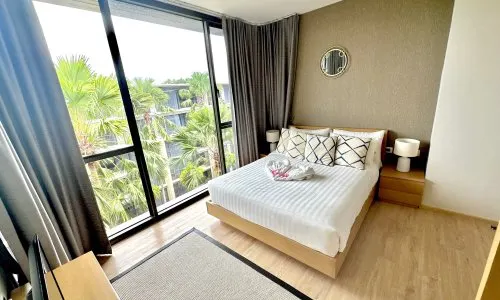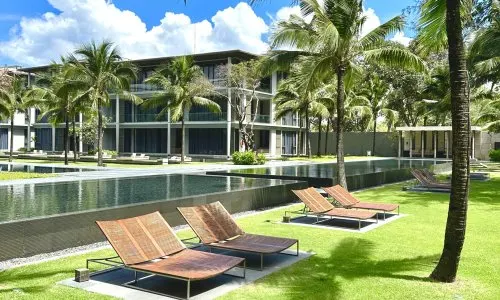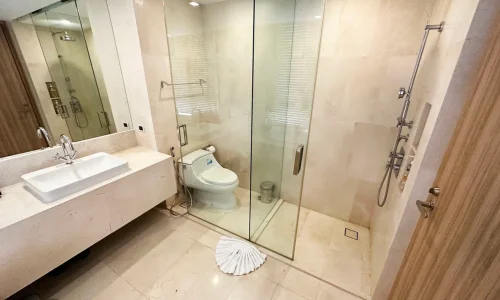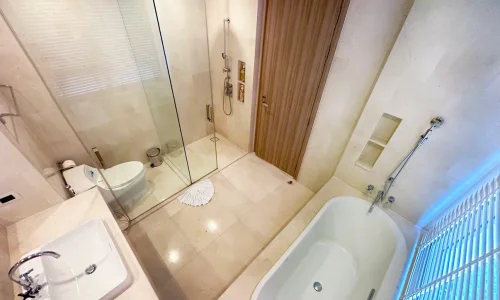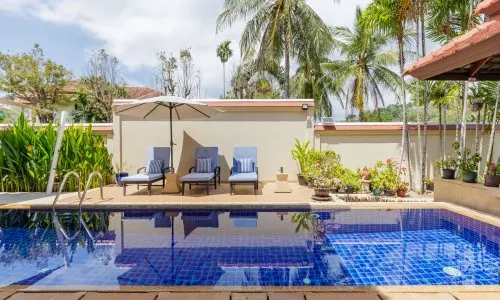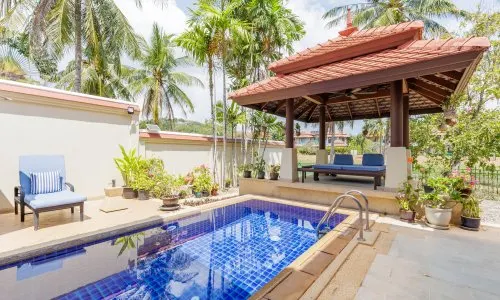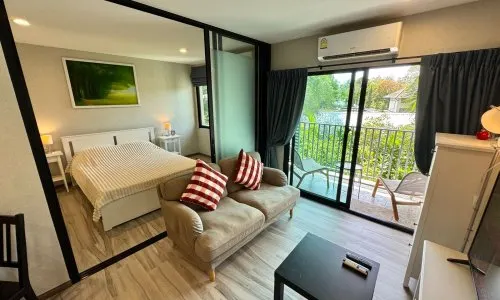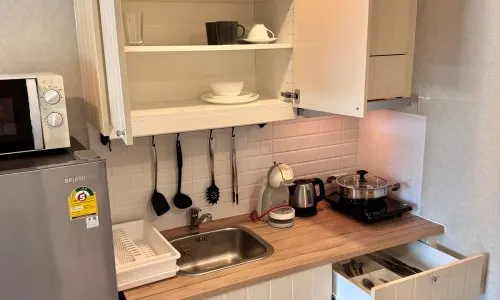
Quick answer: Thailand's Investment Visa programme with a 3 million baht (~$85K) threshold gives foreigners legal long-term residency in exchange for an investment — most often through a condominium purchase. The visa is renewable as long as the asset is held and broadens the pool of buyers who view the island as a place to live, not just an investment.
How the programme works
Investment Visa is a long-term visa category for foreign investors in Thailand. From 2026, the minimum investment threshold is 3,000,000 baht. Eligible instruments vary, but the most popular route is a condominium purchase in freehold (within the 49% foreign quota of a building).
The terms and legal details are covered in depth by FOSR Law. Key parameters:
- Minimum investment of 3 million baht, evidenced by ownership documents or other qualifying assets.
- The visa is designed for long-term residency and is renewable so long as the investment is held.
- Family extension to spouse and children is allowed.
- A condo purchase is the most transparent and common way to meet the requirement.
Why a condo specifically
Out of all real estate ownership instruments in Thailand, a freehold condo is the only one a foreigner can register directly in their own name, without Thai company structures or leasehold workarounds. That makes the Investment Visa via condo the cleanest option from a compliance standpoint.
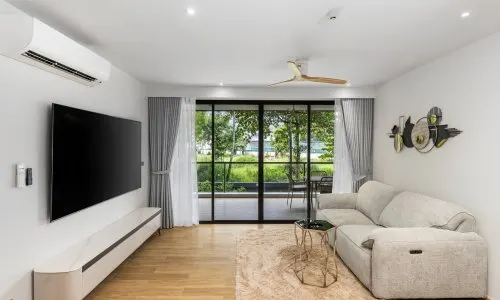
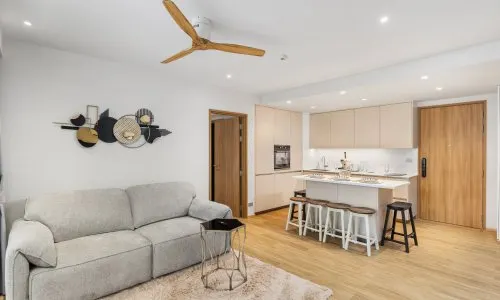
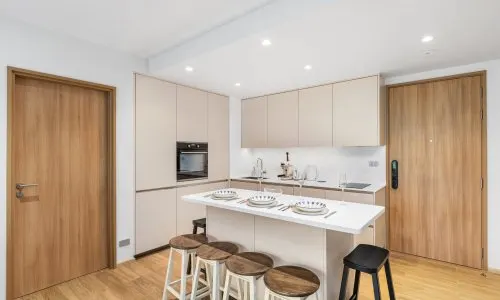
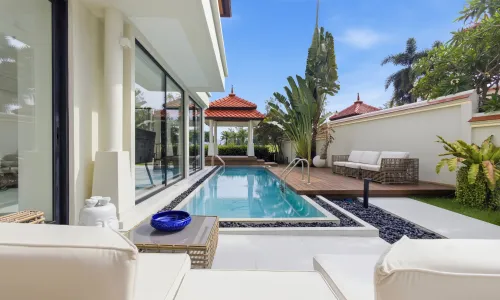
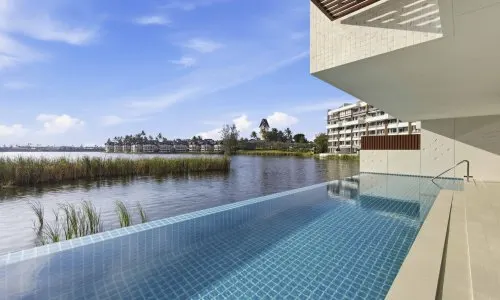
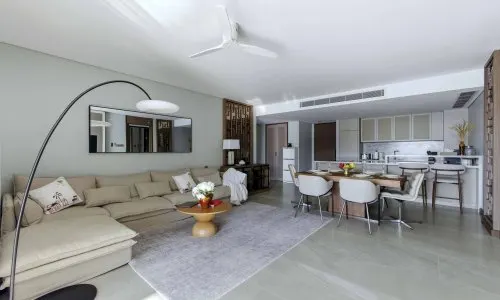
On Phuket, this aligns with the actual structure of the market: premium condos in Bang Tao, Surin and Kamala are the main supply for foreigners in the 3–15 million baht budget range. Villas, with average prices of 30–80+ million baht, are a separate category but can also qualify under the programme when the deal is structured correctly.
Effect on the Phuket market
The Investment Visa is changing the buyer profile. Before the programme, a significant share of transactions was driven by "second home" or "rental investment" motives. A third scenario is now being added — "to live here long term".
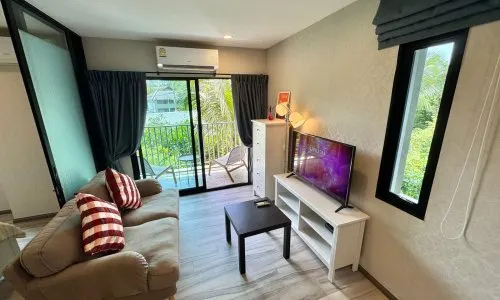
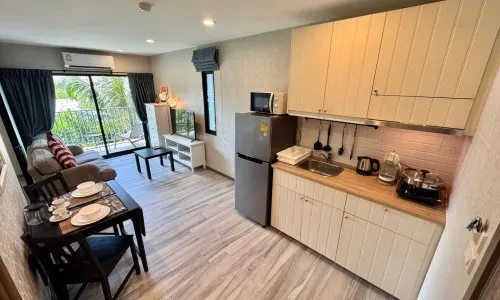
- Demand is rising for condos in the 4–7 million baht ticket — a convenient entry point aimed at both the visa and resale liquidity.
- Holding horizons are lengthening — buyers are less likely to exit within 2–3 years.
- The "real estate + education + healthcare" link is becoming stronger — families are relocating in full.
For a detailed macro analysis of why Phuket is growing against Thailand, see the pillar piece on why the Phuket market is rising. Beyond the visa, land regulation is also in motion — see the draft Foreign Land Ownership Act. On sales — see the AssetWise report: +21% YoY in Q1 2026.
What this means for buyers and investors
If you want to pick a condo for the visa scenario, browse the available stock: buy property in Phuket. For the general purchase process for foreigners, see our dedicated guide: how a foreigner can buy property in Phuket.
Sources
- FOSR Law — Thailand 3 Million Baht Investment Visa (2026)
- MORE Group — Phuket Property Market Outlook 2026
- The Nation Thailand — AssetWise Phuket Q1 (demand context)
This material is informational and is not legal or immigration advice. Programme conditions may change; before a transaction, verify against the latest version of the rules and consult a licensed lawyer.